
Published on
Can You Get Seasonal Depression in the Summer? Understanding the Summer Blues
Sun-drenched days and endless blue skies are supposed to lift your mood—yet you might feel an unshakable heaviness instead. This paradox is summer-pattern Seasonal Affective Disorder (SAD), a form of depression that strikes when temperatures rise and daylight lingers, affecting roughly 5% of adults in the US.
If you're wrestling with irritability, insomnia, or loss of appetite in summer while everyone else seems carefree, your experience is real and valid. The frustration of feeling depressed during the "happiest season" compounds the challenge, but effective solutions exist—including personalized approaches like those offered by Innerwell that address the unique aspects of summer depression.
Summer SAD at a Glance: Spot the Signs Fast
If you feel inexplicably low just as everyone else seems to be soaking up the sun, you might be dealing with summer-pattern Seasonal Affective Disorder.
Core Depression Symptoms Checklist
- Persistent depressed mood for at least two weeks
- Loss of interest in usual activities
- Fatigue despite summer energy expectations
- Feelings of worthlessness
- Difficulty concentrating
Summer-Specific Symptoms Checklist
- Insomnia that worsens as daylight stretches into late evening
- Reduced appetite or unintentional weight loss
- Heightened anxiety that can escalate to aggressive outbursts
- Physical restlessness, headaches, or stomach upset that defy routine treatment
Timing Pattern Checklist
- Symptoms begin during warm months
- Symptoms have recurred for two consecutive summers
- Symptoms ease when cooler months return
- Seasonal changes clearly disrupt work, study, or relationships
Additional Risk Factors
- Personal or family history of bipolar disorder (which may complicate symptoms)
- Experiencing extreme mood swings or rapidly declining daily functioning
Why Does Sunshine Feel So Heavy?
Understanding why bright seasons leave you drained instead of delighted starts with your body's internal clock. Extended sunlight suppresses melatonin, the hormone that signals bedtime.
Without proper melatonin release, your circadian rhythm can be disrupted, which may contribute to sleep disturbances and other symptoms associated with summer SAD, such as restlessness and agitation.
Heat stress keeps your system on high alert.
Those sticky 90-degree afternoons spike cortisol and agitation—your stress response can't catch a break. Early sunrises stream through your blinds at 5 a.m., fragmenting sleep. Humidity makes exercise feel punishing, pushing you indoors and out of routine. School breaks, childcare shuffles, and vacation logistics upend the structure many moods depend on.
Then there's the social script. Summer gets marketed as carefree:
- Beach bodies
- Rooftop parties
- Nonstop energy
- Long days
- Longer nights
- And so much more
When your mood doesn't match the billboard, guilt and isolation creep in. Wearing lighter clothing heightens body-image anxiety, and the financial pressure of "making the most" of summer trips strains already-thin emotional reserves.
Certain groups sit closer to the fault line:
- Women
- Young adults
- Anyone with a family history of mood disorders.
- Individuals with bipolar disorder
Knowing these layered triggers isn't just academic—it's the first step toward tailoring relief strategies that actually work for your unique summer.
The3-Tier Toolbox for Beating the Summer Blues
Feeling better rarely comes from a single switch-flip; most of us need layers of support. Recovery works like a three-tier toolbox that starts with low-risk lifestyle tweaks, moves into evidence-based clinical care, and—when symptoms refuse to budge—opens the door to innovative therapies.
You can mix and match tools depending on how severe your summer depression feels, and Innerwell's care model helps you navigate every tier under one roof.
Tier 1 – Lifestyle Tweaks
Summer depression often begins with circadian chaos and heat overload, so the first fixes target sleep and temperature.
Here are some summer SAD lifestyle interventions that can help beat the summer blues:
Sleep:
- Install blackout curtains
- Maintain a consistent bedtime
- Set thermostat lower at night
- Use fans for better air circulation
- Apply cool packs to pulse points before bed
Exercise:
- Schedule physical activity early morning or post-sunset
- Choose gentle options like walking or swimming
- Stay hydrated before and after movement
Nutrition:
- Eat light, protein-rich meals
- Drink 2–3 liters of water daily
- Avoid dehydration, which can worsen fatigue
Social:
- Set boundaries around outdoor events
- Plan indoor or shaded alternatives
- Opt for low-pressure social activities
- Consider game nights or air-conditioned venues
These adjustments won't erase depression by themselves, yet many people notice a meaningful lift when they build them into daily life.
Tier 2 – Evidence-Based Clinical Care
When lifestyle changes only dent your symptoms, structured therapy and medication step in. Here are some of the treatment approaches that can make you better:
Cognitive-Behavioral Therapy (CBT):
- Identifies and replaces negative summer thoughts with balanced alternatives
Traditional Talk Therapy:
- Addresses body-image concerns
- Helps manage vacation-related stress
- Processes seasonal social pressures
EMDR (Eye Movement Desensitization and Reprocessing):
- Targets trauma triggered by summer settings
- Offered virtually through Innerwell
Medication:
- SSRIs (common first-line treatment)
- Bupropion (useful when appetite is low)
- Requires psychiatric monitoring for risk of hypomania
Light Therapy:
- Applied moderately in the evening
- Calms circadian overdrive (unlike bright AM light for winter SAD)
- Needs professional guidance
Tier 3 – Innovative Option: Ketamine-Assisted Psychotherapy
If you've cycled through multiple antidepressants or your depression escalates quickly each June, ketamine-assisted psychotherapy offers a next-generation alternative.
Ketamine blocks NMDA receptors, triggering a surge in glutamate that sparks downstream pathways such as mTOR and boosts brain-derived neurotrophic factor—changes linked to rapid synaptic growth and fast mood relief in treatment-resistant depression.
Unlike pills that may take six weeks, many patients feel a shift within hours to days, including a swift drop in suicidal thoughts.
Innerwell's program pairs this neurochemical window with structured therapy so insights gained during the dissociative state translate into lasting behavioral change.
The journey typically unfolds like this:
- A telehealth psychiatric intake confirms medical eligibility and screens for contraindications.
- Two preparation sessions with a licensed therapist set intentions and coping strategies.
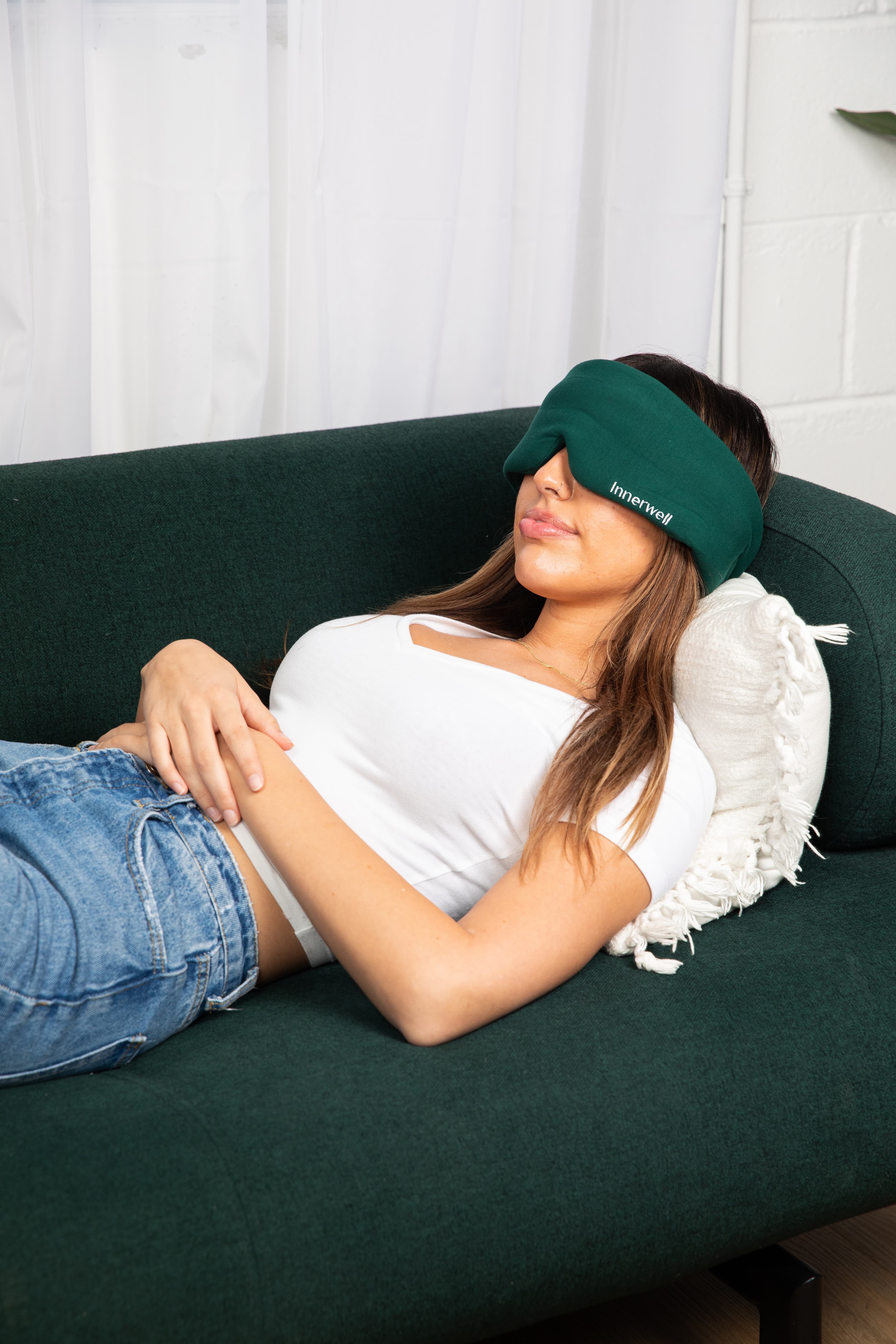
- Sessions of at home ketamine therapy or in-clinic dosing occur under real-time monitoring; you wear eyeshades, listen to curated music, and have a clinician on standby.
- Integration sessions in the following days help weave new perspectives into daily routines.
Safety is built into every step with:
- Blood-pressure checks
- Emergency protocols
- Strict dose control
This helps minimize risks such as transient dissociation or nausea documented in larger trials. If workplace drug screens worry you, remember that routine employment panels rarely include testing for ketamine unless specifically ordered. Because ketamine's mechanism bypasses typical serotonin pathways, it can dull hallmark summer depression symptoms like agitation and insomnia even when traditional SSRIs have stalled.
Deciding to pursue ketamine therapy isn't about chasing novelty; it's about securing relief when other routes fall short. If you're unsure where you land on the tiered spectrum, Innerwell's free assessment can clarify which toolbox drawer to open first.
Build Your Personal Summer Resilience Plan
Summer depression follows predictable patterns, which means you can build defenses before symptoms strike.
- Select one or two interventions from each treatment tier—blackout curtains for sleep disruption, evening therapy sessions for mood regulation, and psychiatric consultation when needed.
- Transform each choice into a SMART goal. "I'll walk for 20 minutes at 8 p.m. on Mondays, Wednesdays, and Fridays" beats vague intentions. "I'll log mood and sleep data every morning for four weeks" creates accountability.
- Manage light exposure in the evening or during sleep, particularly from artificial sources, as it can disrupt melatonin production and negatively impact sleep quality. Schedule wind-down time after sunset and keep mornings cool and structured.
- Address heat and humidity that amplify symptoms by blocking out midday hours for indoor activities and securing access to air-conditioning during forecasted heat spikes.
- Implement digital tracking to reveal patterns you might miss. Mood-tracking apps, spreadsheets, or Innerwell's patient portal connect symptoms to triggers like extended daylight or heat stress.
- Set monthly calendar alerts to review progress and adjust goals based on what's working and what needs modification.
Here's a framework you can customize:
Timeframe-Based Routine
Morning:
- Wake at 7 a.m.
- Hydrate
- Log mood
Midday:
- Focus on indoor work or hobbies
- Eat a light, protein-rich lunch
Evening:
- Exercise after 7 p.m.
- Take a cool shower
- Spend one screen-free hour
- Close blackout shades by 10 p.m.
Weekly:
- Virtual therapy on Tuesday
- Friday check-in with a friend
Monthly:
- Review mood tracker data
- Update personal goals
- Book any needed appointments
Structure gives your brain clear boundaries when summer chaos threatens to overwhelm your mental health systems.ur mental health systems.
Break Free From Seasonal Depression
Summer depression can feel especially unfair—you're surrounded by bright skies, yet inside everything feels overcast. This disconnect has a name—summer-pattern Seasonal Affective Disorder—and it's both real and treatable.
Through practical lifestyle changes, evidence-based clinical care, and innovative options like ketamine-assisted psychotherapy (for certain treatment-resistant depressive disorders), you can reclaim stable sleep, calmer moods, and joy in the long days ahead. Relief starts with a single, well-supported step.
Take our free assessment today to discover how our comprehensive mental health services, including innovative ketamine therapy, can help you overcome summer depression and reclaim your joy.

87% of Innerwell patients report improvement within 4 weeks
At-home treatment — no clinic visits
1/4th of the price compared to offline clinics
Led by licensed psychiatrists and therapists specialized in therapy
Insurance accepted in selected states

Apr 7, 2026
Depression, Neuroplasticity, and Why Your Brain Can Still Change
Innerwell Team

Apr 7, 2026
Mental Health Statistics 2026: Trends and Insights
Innerwell Team

Feb 18, 2026
Why Do I Feel Empty? Causes & Ways to Feel Whole
Innerwell Team

Feb 17, 2026
Panic Attack vs Anxiety Attack
Innerwell Team

Feb 2, 2026
Auvelity vs Ketamine for Depression: Speed, Cost, and Safety Compared
Innerwell Team

Feb 1, 2026
Ketamine Therapy for Intrusive Thoughts: Complete Guide
Innerwell Team

Feb 1, 2026
Ketamine vs. Psilocybin: Which Psychedelic Therapy Fits You?
Innerwell Team

Jan 24, 2026
Ketamine Therapy Myths and Facts: What You Should Know
Innerwell Team

Jan 24, 2026
Is Ketamine Therapy Safe? Common Concerns Answered
Innerwell Team

Jan 23, 2026
Ketamine Therapy for Aggression: Complete Guide
Innerwell Team

Jan 15, 2026
Ketamine Therapy for Schizophrenia: What You Need to Know
Innerwell Team

Jan 14, 2026
Ketamine Therapy Disqualifiers: Eligibility Guide
Innerwell Team

Jan 14, 2026
Top Lexapro Alternatives: Medications, Therapy, and What Actually Works
Innerwell Team

Jan 14, 2026
Prozac Alternatives: Medications, Natural Options & More
Innerwell Team

Jan 14, 2026
Spravato vs Ketamine: Choosing the Best Depression Relief
Innerwell Team

Jan 6, 2026
Ketamine Therapy for Paranoia: What You Need to Know
Innerwell Team

Jan 5, 2026
Ketamine Therapy for Insomnia: Complete Guide
Innerwell Team

Jan 5, 2026
Ketamine Therapy Dosage Guide
Innerwell Team

Jan 5, 2026
How Ketamine Affects the Brain: Understanding the Science
Innerwell Team

Jan 5, 2026
Ketamine Therapy for Grief: Science, Safety & Hope
Innerwell Team

Jan 3, 2026
Ketamine Therapy for OCD: Complete Guide
Innerwell Team

Jan 3, 2026
12 Evidence-Based SSRI Alternatives for Depression Relief
Innerwell Team

Dec 17, 2025
Ketamine Therapy for Postpartum Depression: Complete Guide
Innerwell Team

Dec 17, 2025
Ketamine Therapy for Panic Disorder: What You Need to Know
Innerwell Team

Dec 17, 2025
Ketamine Therapy Effects: Benefits, Risks & What to Expect
Innerwell Team

Dec 17, 2025
S-Ketamine vs R-Ketamine: Comparing Effects & Uses
Innerwell Team

Dec 9, 2025
Ketamine vs Esketamine: Key Differences Explained
Innerwell Team

Dec 9, 2025
Racemic Ketamine: How It Works and When It's Used
Innerwell Team

Dec 9, 2025
Ketamine Therapy for Psychosis: What You Need to Know
Innerwell Team

Dec 8, 2025
Driving After Ketamine Therapy: How To Stay Safe
Innerwell Team

Dec 8, 2025
Ketamine Therapy for Alzheimer's: Complete Guide
Innerwell Team

Dec 8, 2025
How Does Spravato Work? Nasal Esketamine Explained
Innerwell Team

Nov 27, 2025
Ketamine Therapy for Alcoholism: Complete Guide
Innerwell Team

Nov 27, 2025
What to Think About During Ketamine Therapy: A Practical Guide
Innerwell Team

Nov 27, 2025
Ketamine Therapy for Marriage: Complete Guide
Innerwell Team

Nov 26, 2025
Ketamine Therapy for Cancer Patients: Complete Guide
Innerwell Team

Nov 26, 2025
Ketamine Therapy for Opioid Addiction: Complete Guide
Innerwell Team

Nov 26, 2025
How Much Does Ketamine Therapy Cost? 2025 Price Guide
Innerwell Team

Nov 17, 2025
Does Ketamine Therapy Get You High? Effects Explained
Innerwell Team

Nov 17, 2025
Ketamine Therapy for BPD: Complete Guide
Innerwell Team

Nov 17, 2025
What Does Ketamine Therapy Feel Like?
Innerwell Team

Nov 17, 2025
Ketamine Therapy for Dementia: Complete Guide
Innerwell Team

Nov 10, 2025
At Home Ketamine vs. Infusion Therapy: Key Differences Explained
Innerwell Team

Nov 10, 2025
8 Key Benefits of Ketamine Therapy for Mental Health
Innerwell Team

Oct 31, 2025
Ketamine Therapy for PTSD: Complete Guide
Innerwell Team

Oct 31, 2025
Is Ketamine Treatment Permanent?
Innerwell Team

Oct 31, 2025
Is Ketamine A Paralytic? Common Misconceptions Explained
Innerwell Team

Oct 31, 2025
Ketamine Therapy: What to Expect Before, During & After
Innerwell Team

Oct 27, 2025
Rethinking ADHD: A Multimodal Path to Focus & Balance
Innerwell Team

Oct 27, 2025
Preventing Trauma Before It Starts: The Future of Resilience-Based Mental Health
Innerwell Team

Oct 27, 2025
The Invisible Trauma: How Neglect Shapes the Brain — and How We Heal
Innerwell Team

Oct 27, 2025
Dependent Personality Patterns: When Self-Doubt Controls Your Choices
Innerwell Team

Oct 27, 2025
Ketamine, EMDR & Somatic Therapy: A New Path for Anxiety Relief
Innerwell Team

Oct 27, 2025
Atypical Depression: Recognizing Hidden Symptoms and Rethinking Treatment
Innerwell Team

Oct 27, 2025
Preventing Trauma Before It Starts: The Future of Resilience-Based Mental Health
Innerwell Team
Aug 25, 2025
Healing Attachment Issues: Steps to a More Secure, Resilient You
Innerwell Team

Jul 23, 2025
Couples Therapy vs Individual Therapy: Which Is Best for You?
Innerwell Team

Jul 16, 2025
Can Stress and Anxiety Cause Body Aches? Here’s What You Need to Know
Innerwell Team
Jul 16, 2025
The Hidden Impact of Chronic Pain on Emotional Well-Being
Innerwell Team
Jun 10, 2025
What is Ketamine Therapy
Innerwell Team

Jun 10, 2025
What Is Psychedelic Integration Therapy
Innerwell Team

Jun 8, 2025
What Is EMDR Therapy?
Innerwell Team

Jun 6, 2025
The Ultimate Guide to Talk Therapy: What It Is, How It Works & Who It Helps
Innerwell Team

May 6, 2025
Understanding Trauma: A Journey Through the Brain and Beyond
Innerwell Team

Apr 30, 2025
Can Psychedelic Therapy Help with Bipolar Disorder
Innerwell Team

Apr 18, 2025
What PTSD Really Feels Like—And How Healing Begins
Innerwell Team

Apr 16, 2025
Exploring Talk Therapy for Depression
Innerwell Team

Mar 13, 2025
Understanding Treatment-Resistant Depression: When the Usual Approaches Don't Stick
Innerwell Team

Jan 23, 2025
Talk Therapy for NPD: Exploring Treatment Paths with Compassion and Clarity
Innerwell Team

Jan 15, 2025
Understanding Abandonment Issues
Innerwell Team

Jan 2, 2024
How we keep you safe at Innerwell
Ben Medrano, MD

Jun 22, 2023
Innerwell Reviews from Real Patients
Innerwell Team

Jan 10, 2023
How do I interact with my therapist during my ketamine experience?
Nate Macanian