
Published on
How to Help Others Journey Safely: A Peer Treatment Companion’s Guide
Peer Treatment Companions play an integral part of each ketamine experience, and having a Peer Treatment Companion present for every ketamine experience is a requirement for treatment at Innerwell. Their presence should create a sense of safety and tranquility. In addition, they are there to ensure that their friend or loved one is safe and well cared for each time they embark on a ketamine experience.
While each person’s journey will be different, here’s how Peer Treatment Companions can assist before, during and after each ketamine experience. Please print these instructions and keep them on hand during your loved one’s ketamine experiences.

Before:
- Be fully available and present on the day and time of your friend or loved one’s ketamine experience.
- If your friend or loved one is working with an Innerwell psychotherapist, briefly join their Zoom sessions at the start of their ketamine sessions (not applicable to self-guided sessions), so the therapist knows you are there and you can exchange phone numbers.
- Discuss how your friend or loved one would like you to comfort and support them during the session if they appear anxious or in distress. Some people welcome a hand on their shoulder or having someone hold their hand; others prefer to just have someone by their side without physical contact. This should be discussed prior to starting a session.
During the Session:
- Maintain a quiet and calm atmosphere including making sure all children, pets, noises and distractions are kept to a minimum.
- Be present and aware. If your loved one is undergoing a therapist-guided session, their therapist will need to be able to call or text you to check on them if they have any concerns about their safety or wellbeing.
- Stay within earshot of your friend or loved one in case they need anything. Please do not wear headphones.
- Periodically check on your friend or loved one during their experience (yes, poke your head through the door), but do not interrupt their experience to ask if they’re okay unless they look like they’re in distress.
- Assist them in moving around the house if needed - such as walking them to the restroom.
Post-Session:
- Offer tea, water, snacks, fruit, blankets, or any other comforts to help them enjoy a smooth after-care.
- Make sure their journal and pen are by their side.
- Remain onsite for the entirety of your friend or loved one’s experience (approximately 2-3 hours).
- Do not leave them alone in their home until they are back to their baseline (i.e., they are able to hold a regular conversation with you; they are able to walk, talk, eat, and drink normally; they display no significant residual effects other than the following: slight intoxication, mild mental fogginess, mild nausea, and/or slightly blurry vision).
Please note, you are not responsible for “guiding” or actively influencing your friend or loved one’s journey in any way. However, you are welcome to offer emotional support when it is solicited.
FAQ:
Q: How will they consume the ketamine?
A: Your friend or loved one will place their prescribed amount of ketamine lozenges in their mouth, hold and periodically swish the medicine in their mouth without swallowing, and then spit out the medicine into a cup after 10 minutes.
Q: How long do the effects last?
A: Ketamine’s effects begin within 5-10 minutes of ingestion, and the psychoactive effects last for about an hour. Feelings of physical imbalance or being “out of it” may persist for a few hours following their dose.
Q: What should I expect from them during the session?
A: Your friend or loved one will most likely be lying down and remain calm and quiet, listening to music while in a mildly dissociated state throughout the experience. However, it is not uncommon to emote in various ways, such as crying, laughing, screaming, squirming or making loud noises. This kind of response is not a need for concern and may be a part of their psychological process.
Q: Are there any side effects?
A: Physical symptoms such as nausea, drowsiness, and fatigue are common side effects, and should subside within 1-3 hours.
Vomiting can occasionally occur if nausea is severe, but will generally subside within 1-2 hours. Your friend or loved one will have been instructed to not eat for 4 hours prior to the start of each ketamine session (water is OK) to reduce the risk of nausea and vomiting.
Here’s what you should do if your friend or loved one starts to vomit:
- If they’re alert and awake enough to walk, assist them to the bathroom and keep their head above the toilet or trash can.
- If they’re too groggy to walk to the bathroom with assistance, help them sit up and hold a large bowl or trash can in front of them in case they continue to get sick.
- If they’re too sedated to sit up, move them into the recovery position so they will not choke on their vomit.
The Recovery Position
1. Raise the arm that is closest to you above their head. Prepare to roll them towards you.
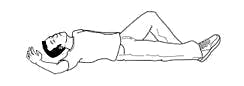
2. Gently roll them toward you, guarding their head from hitting the floor. The head should rest in front of the arm, not on it.
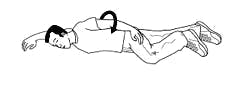
3. Tilt the head up to maintain their airway. Tuck their nearest hand under the cheek to help maintain head tilt and raise the face off the floor.
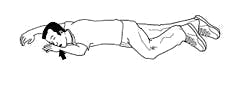
4. Check on them often.
If you are worried about your friend or loved one, call 911, especially if you can't awaken them to the point that they can talk to you. Furthermore, If they’re vomiting continuously and not improving, or if you notice blood in the vomit, call 911.
Q: What should I do if my friend or loved one appears to be uncomfortable or in distress?
While we encourage you to give them space to experience the highs and lows that can come with psychedelic experiences, there are a few things you can do to help:
- Remind them to return to their breath, remain in the moment, and let thoughts pass by
- Reassure them that they are safe and that this is a temporary experience
- Make sure they are warm and physically comfortable
- Offer a drink of water
- Place a hand on their shoulder for comfort, or hold their hand if you have previously agreed this is something they would want you to do for reassurance.
Q: What if my loved one is having a psychologically challenging experience, or is having difficulty processing their experience after it ends, emotionally or otherwise?
A: If you or your loved one would like someone to talk to during a psychologically and/or emotionally challenging psychedelic experience, you can contact the Fireside Project by calling or texting 62-FIRESIDE. They’re open every day from 11:00 am - 11:00 pm PST. Their Psychedelic Support Line is staffed by rigorously trained, compassionate, supportive volunteers from diverse backgrounds who listen deeply and from a place of non-judgment.
If your loved one doesn’t need to talk to someone immediately during or after a challenging experience, remind them that they can reach out to their psychiatric clinician and/or therapist at Innerwell to discuss their experience. They can contact their clinicians in the Innerwell Portal (located in the Care Team section of the Support tab). Innerwell’s Member Support team can also be reached during business hours by calling (909) 679-3482 or emailing care@helloinnerwell.com.
Q: What should I do in case of an emergency?
A: Call 911 if you suspect an emergency. Signs of an emergency [such as a heart attack or stroke] can include complaints of new chest pain, chest pain that travels down the left arm, shortness of breath, excessive sweating, severe headache, vision loss, facial drooping, one-sided arm weakness, or slurred speech.
You should also call 911 if your friend or loved one reports any thoughts of suicide or hurting others, or begins behaving in an erratic, paranoid, bizarre, impulsive or physically aggressive manner, or in any other way that is concerningly out-of-character for them.
The 988 Suicide & Crisis Lifeline also provides 24/7, free and confidential support for people in distress, as well as prevention and crisis resources for you or your loved one. For crisis counseling, please call or text 988.
Q: Is it possible to overdose?
A: The doses of ketamine that we prescribe do not put anyone at risk of overdose.
If you are interested in learning more about ketamine treatment for mental health, please see our blog post here.


87% of Innerwell patients report improvement within 4 weeks
At-home treatment — no clinic visits
1/4th of the price compared to offline clinics
Led by licensed psychiatrists and therapists specialized in ketamine therapy
Insurance accepted in selected states

Jul 28, 2026
Do Ketamine Lozenges Work for Pain?
Innerwell Team

Jul 27, 2026
Ketamine vs ECT: Choosing a Therapy for Resistant Depression
Innerwell Team

Jul 27, 2026
Spravato vs SSRIs: Finding Relief When Antidepressants Fail
Innerwell Team

Jul 27, 2026
Esketamine vs TMS for Treatment-Resistant Depression
Innerwell Team

Jul 27, 2026
Ketamine Therapy for Traumatic Brain Injury: Complete Guide
Innerwell Team

Jul 25, 2026
Is Ketamine Therapy Legal in New Mexico?
Innerwell Team

Jul 25, 2026
Is Ketamine Therapy Legal in Ohio?
Innerwell Team

Jul 25, 2026
Ketamine vs benzodiazepines for depression and anxiety
Innerwell Team

Jul 10, 2026
Is Ketamine Therapy Legal in Georgia?
Innerwell Team

Jul 10, 2026
9 Effective Alternatives to Spravato for Depression
Innerwell Team

Jul 10, 2026
Is Ketamine Therapy Legal in Florida?
Innerwell Team

Jul 9, 2026
Sublingual vs Nasal Ketamine: Which Route Works Best?
Innerwell Team

Jul 9, 2026
Is Ketamine Therapy Legal in Maine?
Innerwell Team

Jul 8, 2026
Ketamine IV vs Nasal: Which Is Right for You?
Innerwell Team

Jul 5, 2026
Spravato vs Ketamine Infusion: How They Compare
Innerwell Team

Jul 5, 2026
Is Ketamine Therapy Legal in Missouri?
Innerwell Team

Jul 5, 2026
Is Ketamine Therapy Legal in Pennsylvania?
Innerwell Team

Jun 24, 2026
Ketamine Therapy for Depression in Older Adults: Complete Guide
Innerwell Team

Jun 20, 2026
Is Ketamine Therapy Legal in Utah?
Innerwell Team

Jun 20, 2026
Is Ketamine Therapy Legal in Indiana?
Innerwell Team

Jun 13, 2026
Ketamine Therapy for Narcissism: Complete Guide
Innerwell Team

Jun 13, 2026
Is Ketamine Therapy Legal in New York?
Innerwell Team

Jun 13, 2026
Is Ketamine Therapy Legal in California?
Innerwell Team

Jun 12, 2026
Alternatives to Zoloft: Medications, Natural, and Emerging Options
Innerwell Team

Jun 12, 2026
Alternatives to Esketamine: Complete Guide
Innerwell Team

Jun 12, 2026
Ketamine vs SSRIs: Which Works Faster for Anxiety?
Innerwell Team

Jun 12, 2026
Does Medicaid Cover Ketamine Therapy?
Innerwell Team

Jun 12, 2026
Is Ketamine Therapy Legal in Wisconsin?
Innerwell Team

May 29, 2026
Is Ketamine Therapy Legal in Texas?
Innerwell Team

May 29, 2026
Ketamine Therapy for ALS: Complete Guide
Innerwell Team

May 16, 2026
10 Gabapentin Alternatives for Anxiety
Innerwell Team

May 15, 2026
8 Best Xanax Alternatives for Anxiety Treatment
Innerwell Team

May 6, 2026
Ketamine vs Zoloft: Which Offers Faster Relief?
Innerwell Team

May 6, 2026
Ketamine vs Prozac: Which Works Faster for Depression?
Innerwell Team

May 6, 2026
Ketamine vs Lexapro: Which Works Faster for Depression?
Innerwell Team

Apr 23, 2026
Ketamine Maintenance Schedule: What to Expect
Innerwell Team

Apr 17, 2026
Ketamine Therapy for Couples: Complete Guide

Apr 7, 2026
Why Ketamine Integration Matters in Psychedelic Therapy
Innerwell Team

Apr 7, 2026
Ketamine Therapy for Veterans
Innerwell Team

Apr 6, 2026
Does BCBS Cover Ketamine Therapy?
Innerwell Team

Mar 24, 2026
Ketamine Infusion vs Oral Ketamine for Depression
Innerwell Team

Mar 24, 2026
Do You Qualify for Ketamine Therapy?
Innerwell Team

Mar 20, 2026
How Ketamine Therapy Is Administered Safely
Innerwell Team

Mar 19, 2026
Telehealth Ketamine Treatment: Benefits & Safety
Innerwell Team

Mar 4, 2026
Online Ketamine Therapy: How It Works, What It Costs, and How to Start
Innerwell Team

Mar 4, 2026
How to Get Ketamine Therapy Covered by Insurance
Innerwell Team

Mar 4, 2026
Is Ketamine Therapy Covered By Insurance? State-by-State Guide
Innerwell Team

Mar 4, 2026
Spravato vs Ketamine Infusion: Which Is Right for You?
Innerwell Team

Mar 4, 2026
How to Find the Best Online Ketamine Treatment
Innerwell Team

Feb 25, 2026
Ketamine vs Traditional Antidepressants: Key Differences
Innerwell Team

Feb 25, 2026
Ketamine vs Psychedelics: Treatment Comparison Guide
Innerwell Team

Feb 18, 2026
Ketamine vs MDMA Therapy: Which Psychedelic Treatment Fits You?
Innerwell Team

Feb 9, 2026
Ketamine vs Xanax: Which Works Best for Anxiety?
Innerwell Team

Feb 8, 2026
Ketamine vs SSRIs for Depression
Innerwell Team

Feb 8, 2026
Emotional Safety in Relationships: Signs, Examples, and How to Build It
Innerwell Team

Feb 2, 2026
Ketamine 101: A Complete Guide to Ketamine Therapy
Innerwell Team

Oct 31, 2025
Ketamine Laws by State: 2026 Guide
Innerwell Team

Jun 16, 2025
Ketamine Therapy for Anxiety: A Promising Treatment
Innerwell Team

Jun 16, 2025
Healing Social Anxiety with Ketamine Therapy
Innerwell Team

Jun 10, 2025
What is Ketamine Therapy
Innerwell Team

May 2, 2025
Ketamine Therapy for Childhood Trauma
Innerwell Team

Apr 29, 2025
The Science Behind Ketamine Therapy: How It Works, How Fast, and What Research Shows
Innerwell Team

Mar 5, 2025
Ketamine Therapy for Depression and Anxiety
Innerwell Team

Oct 17, 2024
A Companion for Your Ketamine-Assisted Therapy: The Role of a Peer Treatment Companion
Anthony Mangia

Aug 27, 2024
Ketamine Integration - The Complete Guide
Anthony Mangia

Aug 26, 2024
Ketamine Integration Exercises: How to Practice Them and Their Benefits
Innerwell Team

Jul 21, 2024
Will Ketamine Show Up On My Drug Test?
Innerwell Team

Jan 3, 2024
What to know if you’re nervous about your first Ketamine experience
Ben Medrano, MD

Jan 2, 2024
How we keep you safe at Innerwell
Ben Medrano, MD

Jun 14, 2023
135 Intention Setting Examples for Ketamine Therapy
Anthony Mangia
Jun 2, 2023
WEBINAR: Online Ketamine Therapy 101 with Dr. Mike Cooper
Anthony Mangia

Apr 12, 2023
A Guide to Intention Setting For Ketamine Treatment
Innerwell Team

Apr 10, 2023
The Benefits of At-Home Ketamine Therapy vs In-Person Clinics
Innerwell Team

Mar 23, 2023
Low-Cost Ketamine Treatment Options and What to Know
Innerwell Team

Jan 16, 2023
How to Prepare for Your Ketamine Experience
Nate Macanian

Jan 10, 2023
How do I interact with my therapist during my ketamine experience?
Nate Macanian

Jan 5, 2023
Dispelling the stigma around psychedelics
Nate Macanian

Jan 2, 2023
Ketamine Therapy for Anxiety: Complete Guide
Innerwell Team

Dec 30, 2022
Post-Session Care: What to Do Once Your Psychedelic Experience Has Ended
Jenn Sinrich