
Published on
10 Gabapentin Alternatives for Anxiety
You've been on gabapentin for anxiety, and something isn't right. Maybe the cognitive fog feels worse than the worry it was supposed to treat. Maybe you've learned that gabapentin was never actually FDA-approved for anxiety in the first place. Or maybe you tried to cut back and discovered, the hard way, that stopping isn't simple. You're not the only one in this position.
The bottom line: Several alternatives have stronger evidence, FDA approval for anxiety, and lower risk of physical dependence than gabapentin. The right one depends on whether you need long-term daily management, fast relief in acute moments, or a different approach after several medications haven't worked.
Why People Switch from Gabapentin for Anxiety
Gabapentin (brand name Neurontin) is a prescription medication originally approved in 1993 to treat seizures, with a second approval in 2002 for nerve pain after shingles. Those remain its FDA-approved uses. If you've been taking it for anxiety, that mismatch alone can leave you feeling uneasy about why it was chosen in the first place. Despite the narrow approval, gabapentin became the sixth most prescribed medication in the U.S. by 2020, with less than 1% of prescriptions written for its approved purposes.
The evidence gap is real. No randomized controlled trials exist for gabapentin in generalized anxiety disorder. The strongest anxiety-related data comes from a single study of 69 people with social anxiety. Clinical reviews generally place it as a third-line option for social anxiety and severe panic disorder.
You may be looking for alternatives for a few reasons. Cognitive fog is a common complaint, and weight gain is documented. The FDA prescribing label also lists withdrawal symptoms including seizures, anxiety, depression, and suicidal ideation. If you've already had a rough experience trying to stop, that concern is real.
10 Evidence-Based Gabapentin Alternatives for Anxiety
1. Escitalopram (Lexapro)
What it is. Escitalopram is one of the most common starting points for daily anxiety treatment. It's a selective serotonin reuptake inhibitor (SSRI) that keeps more serotonin active in the brain over several weeks. It's FDA-approved for generalized anxiety disorder (GAD) and has research support across GAD, panic disorder, and social anxiety. If you're considering this class specifically, you can read more about Lexapro alternatives for context on the broader category.
Main tradeoff. It takes two to six weeks to work, and side effects like nausea, sleep changes, and sexual dysfunction are common. Physical dependence risk is very low, though stopping abruptly can cause discontinuation symptoms.
2. Sertraline (Zoloft)
What it is. Sertraline is one of the broadest options on this list, especially if your anxiety overlaps with panic, social anxiety, or trauma-related symptoms. It's another SSRI, FDA-approved for social anxiety disorder and supported by research for GAD, panic disorder, and post-traumatic stress disorder (PTSD).
Main tradeoff. Onset takes weeks, not days. If you're hoping for something that feels fast, that wait can be frustrating.
3. Venlafaxine (Effexor XR)
What it is. When your anxiety shows up in your body as much as in your thoughts, venlafaxine may stand out. It's a serotonin-norepinephrine reuptake inhibitor (SNRI), which acts on both neurotransmitters. That can help with both emotional and physical anxiety symptoms like tight chest, muscle tension, and stomach distress. It's FDA-approved for GAD, social anxiety, and panic disorder.
Main tradeoff. Venlafaxine carries a higher withdrawal risk than many SSRIs if stopped abruptly. That doesn't make it a bad option, but it does mean the exit can be rougher if you ever need to stop.
4. Duloxetine (Cymbalta)
What it is. Duloxetine may feel like the more practical choice if you're carrying both anxiety and chronic pain conditions like neuropathy or fibromyalgia. Like venlafaxine, it's an SNRI with FDA approval for GAD. Multiple controlled trials show efficacy in both short- and long-term GAD treatment.
Main tradeoff. Onset takes weeks, consistent with other SNRIs. If you're worn down by waiting for medications to build, that slower pace may be the hardest part.
5. Buspirone
What it is. Buspirone is worth a close look if the risk of physical dependence is the part of gabapentin that unsettles you most. It works through a different mechanism than SSRIs, SNRIs, or gabapentin, and it's FDA-approved for GAD. It isn't a controlled substance, isn't associated with the same dependence concerns as gabapentin, and doesn't cause sexual side effects.
Main tradeoff. Buspirone takes one to two weeks to start working and doesn't help with acute anxiety or panic attacks. If what you liked about gabapentin was that it felt relatively quick, buspirone may feel slower than you want.
6. Hydroxyzine (Vistaril)
What it is. When speed matters and you need something for the moments anxiety spikes, hydroxyzine is one of the clearest alternatives. It's a first-generation antihistamine that blocks the brain's arousal signals. It works in 15 to 20 minutes and can be dosed as needed before stressful situations. Double-blind trials show comparable results to established GAD treatments.
Main tradeoff. Sedation is the main downside. It makes you drowsy, which limits its usefulness during the workday or while driving. It may be most useful as a bridge while waiting for an SSRI to activate, or for situational anxiety.
7. Pregabalin (Lyrica)
What it is. Pregabalin is the closest match if gabapentin helped somewhat and you wish it were more predictable or faster. It's gabapentin's closest chemical relative and works in a similar way, but the body absorbs it more predictably. Multiple studies show it can help in GAD, and it's approved for anxiety in Europe (though not in the U.S.). It works faster than SSRIs, often within days.
Main tradeoff. Pregabalin carries a similar withdrawal profile to gabapentin. The prescribing information lists withdrawal symptoms including seizures, suicidal ideation, and anxiety. If physical dependence is why you're leaving gabapentin, pregabalin may not solve the core problem.
8. Propranolol
What it is. Propranolol can be a targeted option when your anxiety is mostly physical and shows up before a presentation, meeting, or performance. It's a beta-blocker that stops the physical symptoms of anxiety: racing heart, trembling hands, sweating. It doesn't reduce worry or emotional anxiety. It works within one to two hours and appears in clinical guidelines specifically for performance-related social anxiety.
Main tradeoff. Propranolol isn't appropriate for GAD or as a primary anxiety treatment. It's also contraindicated if you have asthma or chronic obstructive pulmonary disease.
9. Benzodiazepines (Xanax, Ativan, Klonopin)
What it is. Benzodiazepines are fast-acting medications including alprazolam (Xanax), lorazepam (Ativan), and clonazepam (Klonopin). They're FDA-approved for anxiety disorders and can quiet acute anxiety within 30 to 60 minutes. If you've been on gabapentin for anxiety, benzodiazepines are something a prescriber may bring up.
Main tradeoff. This is the alternative most worth thinking carefully about if dependence is part of why you're leaving gabapentin. Benzodiazepines carry a higher risk of physical dependence than gabapentin, and tolerance often builds within weeks of daily use. The FDA added a boxed warning in 2020 specifically about misuse, addiction, and withdrawal risk. Clinical guidelines generally limit them to short-term or as-needed use, not long-term anxiety management. If the gabapentin pattern bothered you, the benzodiazepine pattern may bother you more.
10. Ketamine-Assisted Therapy
What it is. When you've been through medication after medication and still feel stuck, ketamine therapy represents a different category of treatment. Ketamine works through the glutamate system rather than serotonin, and may prompt the brain to form new patterns through neuroplasticity. When paired with therapy, those new patterns have a better chance of taking hold. Ketamine for anxiety is off-label; the FDA has approved ketamine as an anesthetic, not specifically for psychiatric conditions.
Main tradeoff. Ketamine for anxiety isn't a first-line option, and the anxiety evidence is smaller than for depression. But if you've already burned through more standard options, the existing results may still feel meaningful. A meta-analysis found ketamine produced a large acute effect on anxiety symptoms, and effects last roughly one to two weeks per dose. In social anxiety specifically, a randomized trial found that one-third of ketamine recipients responded versus zero on placebo.
Comparing Medication Options
Here's how the ten alternatives compare on the tradeoffs that usually matter most: approval status, onset, dependency risk, and cost.
Alternative | FDA-Approved for Anxiety? | Onset | Dependency Risk | Monthly Cost (Generic) | Best For |
|---|---|---|---|---|---|
Ketamine / Innerwell | No (off-label) | Rapid onset | None listed here | $54–125 per session | Treatment-resistant anxiety after standard treatments have failed |
Escitalopram | Yes (GAD) | 2–6 weeks | None | ~$24 | GAD, panic, social anxiety |
Sertraline | Yes (social anxiety) | Weeks | None | ~$10 | Broad anxiety spectrum, PTSD |
Venlafaxine | Yes (GAD, social anxiety, panic) | Weeks | None | ~$32 | Anxiety with physical symptoms |
Duloxetine | Yes (GAD) | Weeks | None | ~$25 | GAD with comorbid pain |
Buspirone | Yes (GAD) | 1–2+ weeks | None | ~$18 | Mild-moderate GAD, SSRI add-on |
Hydroxyzine | Off-label | 15–20 min | None | ~$8 | Acute/situational anxiety |
Pregabalin | Off-label (US) | Days | Moderate | Varies | GAD after SSRI failure |
Propranolol | Off-label | 1–2 hours | None | Varies | Performance anxiety only |
Benzodiazepines | Yes | 30–60 min | High | ~$15 | Short-term or as-needed only |
Generic pricing reflects estimated retail with common pharmacy discounts. Ketamine pricing reflects Innerwell's at-home program.
Which Alternative Makes Sense for You?
The right choice depends on your specific situation and what didn't work about gabapentin.
If physical dependence is your main concern
If physical dependence and withdrawal are your primary concern, buspirone and hydroxyzine are the safest options. Buspirone works daily for ongoing GAD; hydroxyzine works on demand for acute moments. Be cautious about benzodiazepines in this scenario. Their dependence profile is steeper than gabapentin's.
If gabapentin wasn't strong enough
If gabapentin wasn't effective enough, SSRIs or SNRIs may be worth trying, or retrying. They have the strongest evidence base for anxiety disorders and FDA approval that gabapentin lacks.
If you've already tried SSRIs, SNRIs, and gabapentin without adequate relief, you may be dealing with treatment-resistant anxiety. SSRIs and SNRIs are first-line for GAD, with response rates of 30 to 50%, meaning many people don't get adequate relief from initial treatment. Ketamine therapy is positioned for exactly this situation.
If your symptoms point in a specific direction
If your anxiety is primarily physical (racing heart, trembling, or sweating before presentations), propranolol targets those symptoms directly without affecting your thinking or emotions.
If anxiety is tangled up with chronic pain, insomnia, or migraines, an SNRI like duloxetine (or amitriptyline if SNRIs don't suit) may treat both at once.
Non-Medication Approaches Worth Knowing About
Anxiety treatment doesn't have to be a choice between medications. Several non-medication approaches have meaningful evidence on their own for milder anxiety, or as a layer alongside any of the medications above.
Cognitive behavioral therapy (CBT)
CBT has the strongest research support of any non-medication treatment for anxiety. Multiple meta-analyses show it produces significant reductions across diagnoses. CBT teaches you to identify the thought patterns that fuel anxiety and the avoidance behaviors that reinforce it. For people who've cycled through medications without lasting relief, therapy often makes the difference.
Online therapy for anxiety makes this more accessible than scheduling weekly office visits ever did.
Structured exercise
Structured exercise means more than a casual walk. Aerobic exercise of moderate intensity, sustained over 8 to 12 weeks, produces anxiety reductions that compare favorably to first-line medications in some studies. The dose matters: most positive trials use at least 30 minutes, three times a week.
Mindfulness-based stress reduction (MBSR)
MBSR is a structured 8-week program with consistent evidence for generalized and social anxiety. It's not the same as a meditation app, though those can be a starting point.
Supplements
Supplements like L-theanine, magnesium, lavender oil, and valerian root come up often in this conversation. Honest read: none of them replicate what gabapentin or any prescription anxiolytic does. Some have modest evidence for mild anxiety or sleep support; others have very limited data. They may be worth considering as complements to a treatment plan, but they don't function as direct gabapentin replacements.
If your anxiety has been severe enough to need gabapentin, supplements alone are unlikely to be enough.
How Innerwell's At-Home Ketamine Therapy Works
If you've cycled through SSRIs, SNRIs, buspirone, and gabapentin without finding relief, you're not out of options. Innerwell's at-home ketamine therapy program is designed for people in that situation. The medication opens a window of neuroplasticity; therapy helps you walk through it.
This isn't ketamine dropped off with minimal supervision. Innerwell pairs sublingual ketamine with licensed Master's and Doctoral level therapists at every step, and therapy is built into the program rather than treated as an optional add-on.
The process:
- Evaluation: A psychiatric evaluation reviews your history, current medications, and treatment goals to see whether ketamine therapy fits your situation.
- Delivery: A licensed pharmacy ships sublingual ketamine tablets to your home — no IV clinics, no waiting rooms, no time away from your routine.
- Preparation and integration: Licensed therapists guide preparation before sessions and integration afterward, so the neuroplasticity window becomes time you use intentionally.
- Ongoing monitoring: Your clinical team tracks your progress and adjusts the protocol based on how you respond.
Pricing
With insurance, sessions run $54–75; without insurance, $83–125. The Foundation plan (8 doses) is $75 per session with insurance or $125 self-pay. The Extended plan (24 doses) brings the per-session cost down to $54 with insurance or $83 self-pay.
Program outcomes
A 69% reduction in depression symptoms and a 60% reduction in anxiety symptoms after 10 weeks. 87% of participants see improvement within four weeks. The program holds a 4.7 out of 5 average rating.
Take our free assessment to see if ketamine therapy might be right for you.
Frequently Asked Questions
Is gabapentin addictive?
It's a fair question, especially if stopping has already felt harder than expected. Gabapentin can cause physical dependence, meaning your body adapts to it and produces withdrawal symptoms when you stop. The FDA prescribing label documents withdrawal onset within 48 hours of stopping, including seizures and rebound anxiety. A systematic review found gabapentinoid misuse prevalence of around 1.6% in the general population. Among people with opioid use disorder, the rate ranged from 3 to 68%.
Is pregabalin better than gabapentin for anxiety?
In some ways, yes, but it may not solve the problem that made you want to switch. Pregabalin has stronger clinical evidence for anxiety, including multiple randomized controlled trials for GAD and European regulatory approval. It absorbs more predictably than gabapentin. However, its withdrawal profile is similar, including seizure risk on abrupt stopping.
Can I switch from gabapentin to another medication immediately?
No. Gabapentin requires a gradual taper under medical supervision. Stopping abruptly risks seizures and severe withdrawal symptoms. The clinician managing your prescription will typically create a tapering schedule that sometimes overlaps with the introduction of your new medication. Expect the full transition to take several weeks.
Is ketamine the right choice if I've only tried gabapentin?
Probably not as a first move. Ketamine therapy is typically a later option, after first-line treatments like SSRIs and SNRIs haven't provided adequate relief. If gabapentin was the first medication you tried for anxiety, an SSRI or SNRI is a more standard next step. Ketamine becomes a stronger candidate after several traditional medications haven't worked, or when panic or social anxiety hasn't responded to standard treatment. A free assessment can show you whether you're a good fit.

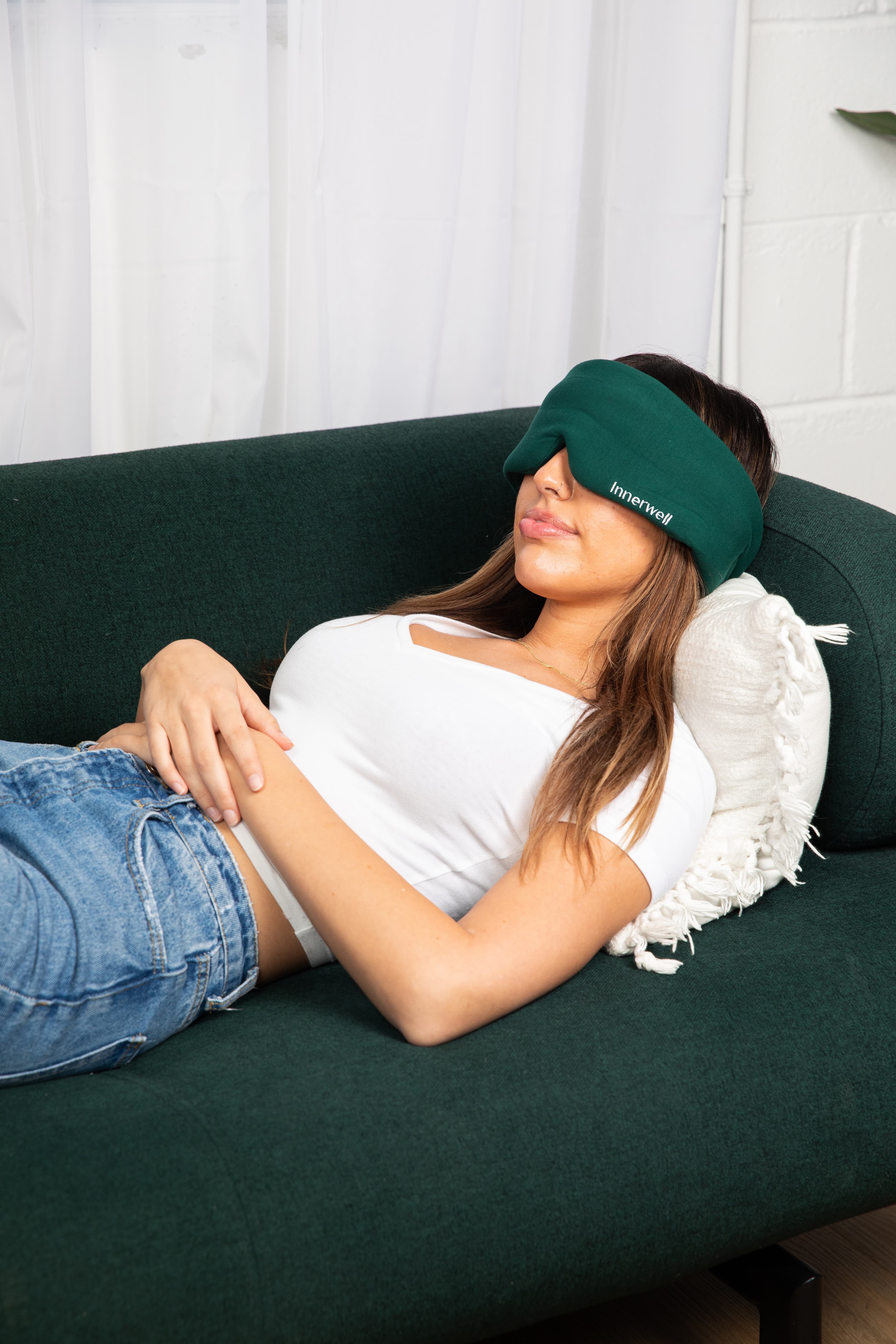
87% of Innerwell patients report improvement within 4 weeks
At-home treatment — no clinic visits
1/4th of the price compared to offline clinics
Led by licensed psychiatrists and therapists specialized in ketamine therapy
Insurance accepted in selected states

Jul 28, 2026
Do Ketamine Lozenges Work for Pain?
Innerwell Team

Jul 27, 2026
Ketamine vs ECT: Choosing a Therapy for Resistant Depression
Innerwell Team

Jul 27, 2026
Spravato vs SSRIs: Finding Relief When Antidepressants Fail
Innerwell Team

Jul 27, 2026
Esketamine vs TMS for Treatment-Resistant Depression
Innerwell Team

Jul 27, 2026
Ketamine Therapy for Traumatic Brain Injury: Complete Guide
Innerwell Team

Jul 25, 2026
Is Ketamine Therapy Legal in New Mexico?
Innerwell Team

Jul 25, 2026
Is Ketamine Therapy Legal in Ohio?
Innerwell Team

Jul 25, 2026
Ketamine vs benzodiazepines for depression and anxiety
Innerwell Team

Jul 10, 2026
Is Ketamine Therapy Legal in Georgia?
Innerwell Team

Jul 10, 2026
9 Effective Alternatives to Spravato for Depression
Innerwell Team

Jul 10, 2026
Is Ketamine Therapy Legal in Florida?
Innerwell Team

Jul 9, 2026
Sublingual vs Nasal Ketamine: Which Route Works Best?
Innerwell Team

Jul 9, 2026
Is Ketamine Therapy Legal in Maine?
Innerwell Team

Jul 8, 2026
Ketamine IV vs Nasal: Which Is Right for You?
Innerwell Team

Jul 5, 2026
Spravato vs Ketamine Infusion: How They Compare
Innerwell Team

Jul 5, 2026
Is Ketamine Therapy Legal in Missouri?
Innerwell Team

Jul 5, 2026
Is Ketamine Therapy Legal in Pennsylvania?
Innerwell Team

Jun 24, 2026
Ketamine Therapy for Depression in Older Adults: Complete Guide
Innerwell Team

Jun 20, 2026
Is Ketamine Therapy Legal in Utah?
Innerwell Team

Jun 20, 2026
Is Ketamine Therapy Legal in Indiana?
Innerwell Team

Jun 13, 2026
Ketamine Therapy for Narcissism: Complete Guide
Innerwell Team

Jun 13, 2026
Is Ketamine Therapy Legal in New York?
Innerwell Team

Jun 13, 2026
Is Ketamine Therapy Legal in California?
Innerwell Team

Jun 12, 2026
Alternatives to Zoloft: Medications, Natural, and Emerging Options
Innerwell Team

Jun 12, 2026
Alternatives to Esketamine: Complete Guide
Innerwell Team

Jun 12, 2026
Ketamine vs SSRIs: Which Works Faster for Anxiety?
Innerwell Team

Jun 12, 2026
Does Medicaid Cover Ketamine Therapy?
Innerwell Team

Jun 12, 2026
Is Ketamine Therapy Legal in Wisconsin?
Innerwell Team

May 29, 2026
Is Ketamine Therapy Legal in Texas?
Innerwell Team

May 29, 2026
Ketamine Therapy for ALS: Complete Guide
Innerwell Team

May 15, 2026
8 Best Xanax Alternatives for Anxiety Treatment
Innerwell Team

May 6, 2026
Ketamine vs Zoloft: Which Offers Faster Relief?
Innerwell Team

May 6, 2026
Ketamine vs Prozac: Which Works Faster for Depression?
Innerwell Team

May 6, 2026
Ketamine vs Lexapro: Which Works Faster for Depression?
Innerwell Team

Apr 23, 2026
Ketamine Maintenance Schedule: What to Expect
Innerwell Team

Apr 17, 2026
Ketamine Therapy for Couples: Complete Guide

Apr 7, 2026
Why Ketamine Integration Matters in Psychedelic Therapy
Innerwell Team

Apr 7, 2026
Ketamine Therapy for Veterans
Innerwell Team

Apr 6, 2026
Does BCBS Cover Ketamine Therapy?
Innerwell Team

Mar 24, 2026
Ketamine Infusion vs Oral Ketamine for Depression
Innerwell Team

Mar 24, 2026
Do You Qualify for Ketamine Therapy?
Innerwell Team

Mar 20, 2026
How Ketamine Therapy Is Administered Safely
Innerwell Team

Mar 19, 2026
Telehealth Ketamine Treatment: Benefits & Safety
Innerwell Team

Mar 4, 2026
Online Ketamine Therapy: How It Works, What It Costs, and How to Start
Innerwell Team

Mar 4, 2026
How to Get Ketamine Therapy Covered by Insurance
Innerwell Team

Mar 4, 2026
Is Ketamine Therapy Covered By Insurance? State-by-State Guide
Innerwell Team

Mar 4, 2026
Spravato vs Ketamine Infusion: Which Is Right for You?
Innerwell Team

Mar 4, 2026
How to Find the Best Online Ketamine Treatment
Innerwell Team

Feb 25, 2026
Ketamine vs Traditional Antidepressants: Key Differences
Innerwell Team

Feb 25, 2026
Ketamine vs Psychedelics: Treatment Comparison Guide
Innerwell Team

Feb 18, 2026
Ketamine vs MDMA Therapy: Which Psychedelic Treatment Fits You?
Innerwell Team

Feb 9, 2026
Ketamine vs Xanax: Which Works Best for Anxiety?
Innerwell Team

Feb 8, 2026
Ketamine vs SSRIs for Depression
Innerwell Team

Feb 8, 2026
Emotional Safety in Relationships: Signs, Examples, and How to Build It
Innerwell Team

Feb 2, 2026
Ketamine 101: A Complete Guide to Ketamine Therapy
Innerwell Team

Oct 31, 2025
Ketamine Laws by State: 2026 Guide
Innerwell Team

Jun 16, 2025
Ketamine Therapy for Anxiety: A Promising Treatment
Innerwell Team

Jun 16, 2025
Healing Social Anxiety with Ketamine Therapy
Innerwell Team
Jun 10, 2025
What is Ketamine Therapy
Innerwell Team

May 2, 2025
Ketamine Therapy for Childhood Trauma
Innerwell Team

Apr 29, 2025
The Science Behind Ketamine Therapy: How It Works, How Fast, and What Research Shows
Innerwell Team

Mar 5, 2025
Ketamine Therapy for Depression and Anxiety
Innerwell Team

Oct 17, 2024
A Companion for Your Ketamine-Assisted Therapy: The Role of a Peer Treatment Companion
Anthony Mangia

Aug 27, 2024
Ketamine Integration - The Complete Guide
Anthony Mangia

Aug 26, 2024
Ketamine Integration Exercises: How to Practice Them and Their Benefits
Innerwell Team

Jul 21, 2024
Will Ketamine Show Up On My Drug Test?
Innerwell Team

Jan 3, 2024
What to know if you’re nervous about your first Ketamine experience
Ben Medrano, MD

Jan 2, 2024
How we keep you safe at Innerwell
Ben Medrano, MD

Jun 14, 2023
135 Intention Setting Examples for Ketamine Therapy
Anthony Mangia
Jun 2, 2023
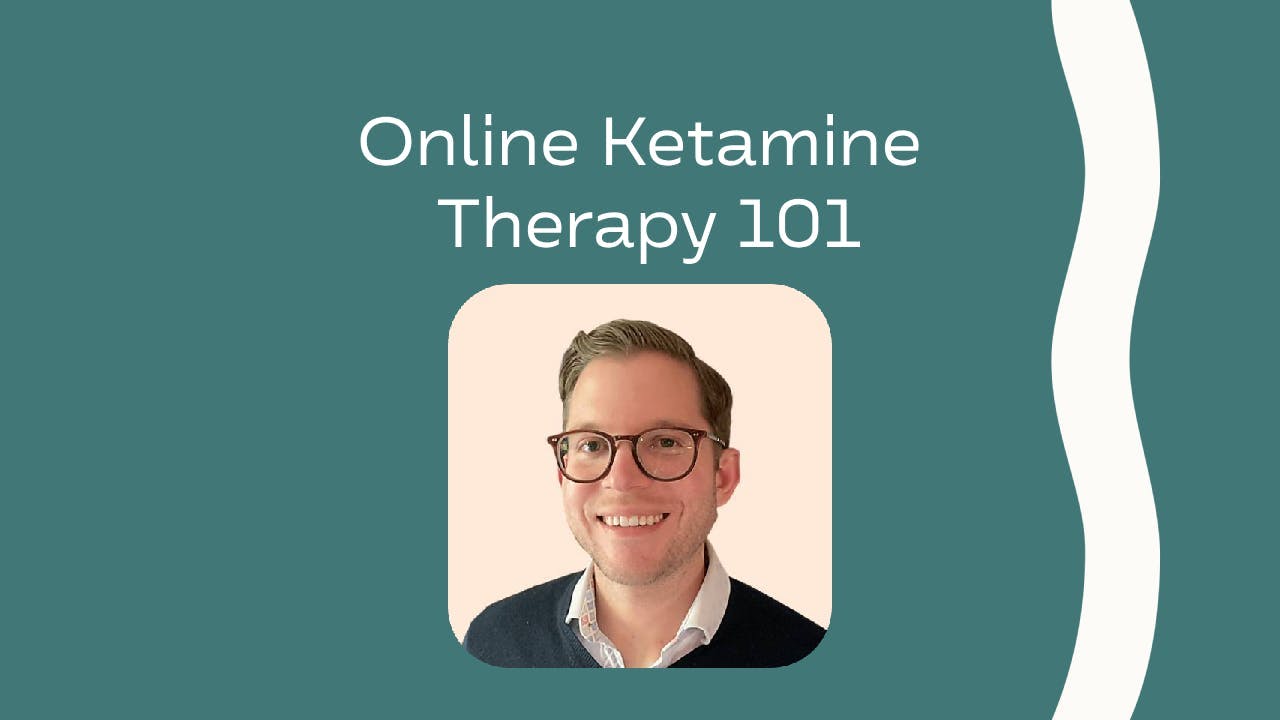
WEBINAR: Online Ketamine Therapy 101 with Dr. Mike Cooper
Anthony Mangia

Apr 12, 2023
A Guide to Intention Setting For Ketamine Treatment
Innerwell Team

Apr 10, 2023
The Benefits of At-Home Ketamine Therapy vs In-Person Clinics
Innerwell Team

Mar 23, 2023
Low-Cost Ketamine Treatment Options and What to Know
Innerwell Team

Jan 16, 2023
How to Prepare for Your Ketamine Experience
Nate Macanian

Jan 10, 2023
How do I interact with my therapist during my ketamine experience?
Nate Macanian

Jan 5, 2023
Dispelling the stigma around psychedelics
Nate Macanian

Jan 2, 2023
Ketamine Therapy for Anxiety: Complete Guide
Innerwell Team

Dec 30, 2022
Post-Session Care: What to Do Once Your Psychedelic Experience Has Ended
Jenn Sinrich

Dec 28, 2022
How to Help Others Journey Safely: A Peer Treatment Companion’s Guide
Innerwell Team