
Published on
Sublingual vs Nasal Ketamine: Which Route Works Best?
You've decided ketamine therapy might be worth trying, maybe after a long stretch of treatments that didn't deliver. Now you're stuck on a different question: which form do you actually choose? Lozenges that dissolve under your tongue, or a nasal spray?
It's a confusing choice, partly because "nasal ketamine" can mean two different things, and the two routes aren't backed by the same kind of evidence.
The short answer: If you have insurance and qualify for Spravato for treatment-resistant depression (TRD), it's usually the stronger evidence-based choice. If cost, privacy, and at-home access matter most, sublingual ketamine is often the more accessible option. FDA status, treatment setting, evidence quality, cost, monitoring, and your own situation all shape which one fits.
What Is Sublingual Ketamine?
Sublingual ketamine is racemic ketamine, a 50/50 mix of two mirror-image versions of the molecule, formulated as a slow-dissolving lozenge, troche, or liquid. In plain terms, it's ketamine made to absorb through your mouth instead of through intravenous (IV) treatment or nasal spray.
You hold it under your tongue or against your cheek while it absorbs through the mouth's tissues, rather than chewing or swallowing it. Your clinician sets the dose based on your medical history, treatment plan, and response.
Sublingual ketamine isn't FDA-approved for depression or anxiety. A licensed pharmacy custom-mixes it, and its use for mental health is off-label. Because it's compounded, there's no FDA-approved dosing standard. It can be used in at-home ketamine therapy and is often prescribed through telehealth.
What Is Nasal Ketamine?
The term "nasal ketamine" can mean two very different products:
1. Spravato
The first is Spravato (esketamine), an FDA-approved nasal spray containing only the S-version of the molecule, not the full racemic mix. The FDA approved it in 2019 for treatment-resistant depression and, in January 2025, as a standalone treatment usable without a daily oral antidepressant, an indication formalized in the agency's 2025 approval letter.
More than 140,000 people worldwide have received it. It can only be taken inside a certified clinic under supervision, never at home, and a federal safety program requires monitoring for at least two hours after each dose.
It also carries the FDA's most serious warning level for sedation, dissociation, and misuse.
2. Compounded racemic ketamine nasal spray
The second is compounded racemic ketamine nasal spray, which is not FDA-approved and which the FDA has flagged for adverse events tied to at-home use. The comparison below treats "nasal" mostly as Spravato, since that's the regulated option.
One caveat: no head-to-head study has directly compared sublingual against esketamine nasal spray, so the comparisons pull from separate bodies of research and the answer isn't as clean as anyone would like.
How Each Route Absorbs and Works
Bioavailability is the amount of medication your body actually absorbs, and higher bioavailability means more of the drug reaches your brain at a given dose. It's one reason two routes can feel different even with closely related medications, and it works alongside how ketamine works in the brain once it arrives.
- Sublingual ketamine. Sublingual absorbs through the lining of your mouth for roughly 30% bioavailability, well above the 10 to 20% of a swallowed pill. That number is also relatively steady: technique matters, and holding the dose under your tongue for the full dissolve time, rather than swallowing early, is what protects that absorption. Most people notice effects within 15 to 30 minutes, peaking around 45.
- Nasal esketamine (Spravato). Nasal delivery gets more medication into your bloodstream, in the 25 to 50% range; a bit higher on average than sublingual. But that range is wide, and congestion, inflammation, or your nasal anatomy on any given day can swing it significantly. Onset is faster, within 5 to 15 minutes. If you're in an acute crisis, that speed, paired with a supervised clinic setting, is a real practical advantage.
- IV ketamine (for context). IV sits above both routes on absorption and is often treated as the clinical reference point. Our guide on at-home vs infusion covers that separate tradeoff.
The ranges overlap more than "higher" and "lower" suggest, so absorption alone can't settle the choice. Where the routes really diverge is in consistency, onset speed, and what the setting around them looks like — which is where the decision starts to take shape.
What the Evidence Actually Shows
Spravato has FDA-level randomized controlled trials (RCTs) behind it. Sublingual ketamine has observational studies, retrospective chart reviews, and case reports. A Canadian clinical guideline rates it at level 4 evidence, the lowest tier, and recommends it be prescribed only by specialists with ketamine expertise.
Spravato trials show several findings. In the TRANSFORM-2 trial, esketamine plus a new oral antidepressant beat placebo, a relapse-prevention study found people who stayed on it were roughly half as likely to relapse, and in the monotherapy study behind the 2025 approval, 22.5% reached remission at week four versus 7.6% on placebo. Not every trial was positive, though: the TRANSFORM-1 trial found no significant difference at one dose level.
Sublingual evidence is encouraging but softer. A prospective telehealth study reported a 60% response rate after four weeks, and another found nearly half of people with moderate-to-severe depression improved, rising to 60% among those who finished a full course of 12 treatments. These are real signals, but observational studies can't rule out selection bias the way a controlled trial can.
The picture is thinner for other conditions. Evidence for PTSD mostly comes from IV studies, and for suicidal thoughts, most evidence comes from IV ketamine and intranasal esketamine. No randomized trials have tested sublingual ketamine specifically for suicidal ideation, a meaningful gap if crisis relief is your priority.
What a Session Can Look Like
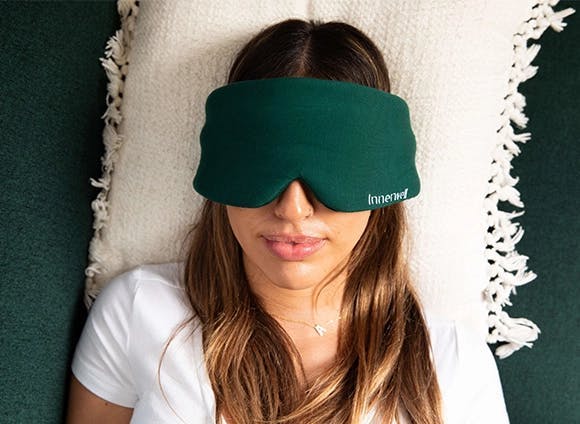
A sublingual session can happen in a private office or at home over telehealth. You'd settle in with an eye mask and calming music, often after a short intention-setting conversation. The lozenge dissolves over 15 to 20 minutes, then the experience runs roughly 45 to 60 minutes, often felt as a meditative trance or a mild floating sensation.
A Spravato session looks different. You self-administer the spray in a certified clinic, and the structure centers on safety monitoring. Dissociation peaks around 40 minutes and grogginess can linger. The FDA notes that 61 to 84% of people experience perceptual changes like distortion of time and space.
You can't drive yourself home, and you can't drive until you've had a full night's sleep.
Cost and Insurance
For many people, this is the deciding factor. Spravato's FDA approval can make insurance coverage easier to pursue than compounded sublingual ketamine, though prior authorization and plan details still matter.
With commercial insurance, a savings program can drop the medication cost to as low as $10 per treatment for people who qualify, though clinic and observation fees may be separate.
Without insurance, Spravato gets expensive fast, since the medication and the required clinic visits may both come out of pocket. Sublingual is harder to predict on coverage because it's off-label and compounded, but out of pocket it's often more affordable than uninsured Spravato, especially through telehealth.
Neither route is automatically the budget choice until insurance is in the picture.
Side Effects and Safety
Both routes share a core set of side effects, because the same drug, or a close chemical cousin, reaches your brain, and the broader question of whether ketamine is safe comes down to setting as much as chemistry: dissociation, a floating or detached feeling, dizziness, nausea, mild sedation, and a temporary rise in blood pressure.
These usually appear within 10 to 40 minutes and fade within 60 to 90 minutes. For Spravato specifically, controlled studies put dizziness around 31% and dissociation at 31.4% versus 12.9% on placebo.
Safety reviews haven't found meaningfully different side-effect profiles between routes. What separates them most clearly is supervision. With Spravato, a clinician is present the whole time; with at-home sublingual, no one is physically there if something goes wrong.
The FDA has warned that home use removes the safety net of in-person dose adjustment, and a Cleveland Clinic clinician has urged caution around addiction and overdose risks. The quality of the clinical oversight matters as much as the medication.
Ketamine therapy isn't right for everyone. If you have poorly controlled high blood pressure, certain heart or vascular conditions, a history of psychosis, or you're pregnant, a qualified clinician should be direct about those risks and help you consider a safer path.
Screening matters. Long-term use of any route also carries risks worth knowing, including potential bladder and cognitive effects that appear to reverse when use stops.
Why Preparation and Integration Matter
What happens around the medication can shape how much it helps. The medication opens a door; therapy helps you walk through it. Ketamine briefly increases neuroplasticity, so your brain becomes more able to form new patterns. That window is most useful when you work with it on purpose.
Preparation beforehand and integration afterward give you a way to process what comes up and make it last. This is where the routes diverge: a sublingual program is more often built around that psychological work, while a Spravato visit centers on safety monitoring. Both designs are valid; they serve different needs.
Comparing the Two Routes
The sections above cover each dimension on its own. Here's how they line up side by side.
Factor | At-home sublingual ketamine through Innerwell | Nasal esketamine (Spravato) |
|---|---|---|
FDA status | Off-label, compounded | FDA-approved for TRD |
Setting | At home, with telehealth support | Certified clinic only |
Absorption | ~30% bioavailability | ~25–50% bioavailability |
Onset | 15–30 min | 5–15 min |
Evidence level | Observational only | Phase 3 RCTs |
Monitoring | Ongoing care-team monitoring; no federal 2-hour clinic monitoring | 2 hours, mandatory |
Insurance | Insurance partnerships available; coverage varies | Often covered with prior authorization |
Self-pay cost | $83–$125 per session; program pricing varies | Often high without coverage; varies by dose and clinic fees |
Which Route Might Fit You
There's no universal winner; the right route depends on which constraint is doing the most work in your decision. Start with what matters most to you, and the choice usually narrows quickly.
- If you have insurance that covers Spravato: nasal esketamine is often the strongest pick, since coverage can make the FDA-approved, better-studied option the affordable one too.
- If cost is the barrier and you're uninsured: sublingual is usually the more affordable path, especially through telehealth, with no clinic fees stacking up.
- If you're in acute crisis or have severe depression: a supervised route such as nasal or IV carries the stronger evidence for fast, monitored relief.
- If at-home access or privacy is the priority: sublingual fits a schedule, a rural location, or a need for discretion in ways a clinic can't.
- If you want therapy woven into treatment: sublingual is more often built around ketamine-assisted psychotherapy, while Spravato visits center on monitoring.
- If you have cardiovascular risks or a complex medical history: the supervised clinic setting is a real safety advantage worth the added logistics.
The tradeoffs cut both ways. Nasal means twice-weekly induction visits, travel, and a ride home, but stronger evidence and clinic oversight. Sublingual means weaker evidence and no required in-person monitoring, but far more flexibility.
Whichever way you lean, the safest decision is one a clinician makes with you, weighing your full medical history.
How Innerwell's At-Home Ketamine Therapy Works
If you've decided the at-home, therapy-integrated route fits your situation, here's what that looks like in practice. Innerwell offers at-home sublingual ketamine therapy with clinical support built around it. This isn't ketamine dropped off at your door with minimal supervision; licensed psychiatric providers and Master's and Doctoral level licensed therapists are involved at every step.
The process:
- Evaluation: A licensed psychiatric provider reviews your medical history, current medications, past treatment responses, and goals to see whether ketamine therapy is appropriate and safe for you.
- Delivery: If you're a fit, sublingual tablets are sent to your home through licensed pharmacy shipping, with no IV clinic visits required.
- Preparation and integration: You meet with a Master's or Doctoral level licensed therapist before treatment to set intentions and afterward to process what came up.
- Ongoing monitoring: Innerwell's clinical team tracks your progress and adjusts the plan as needed.
Pricing: With Innerwell's insurance partnerships, sessions cost approximately $54–$75. Self-pay sessions cost approximately $83–$125. Treatment is typically HSA/FSA eligible.
Program outcomes: Innerwell members have seen a 69% reduction in depression symptoms and a 60% reduction in anxiety symptoms after ten weeks. Roughly 87% experience improvement within four weeks, and the program holds a 4.7 out of 5 average rating.
Take our free assessment to see if ketamine therapy might be right for you.
Frequently Asked Questions
How many sessions will I need, and for how long?
The two routes differ here. Spravato follows a fixed schedule: twice a week for the first four weeks, then weekly, then every one to two weeks for as long as you keep responding, all in a clinic. Sublingual programs usually start with a shorter initial series, often six to eight sessions over a few weeks, then taper to maintenance based on how you respond. Your clinician sets the dose and pacing to fit you, so plan for an ongoing commitment rather than a one-time fix.
Is sublingual ketamine FDA-approved?
No. Sublingual ketamine is used off-label through compounding pharmacies and isn't FDA-approved for any psychiatric condition. The only FDA-approved ketamine-related treatment for depression is Spravato, the esketamine nasal spray, which is why it comes with strict monitoring rules and broader insurance coverage.
Can I switch from one to the other later?
Yes. Neither choice is permanent. Some people start with at-home sublingual for convenience and move to Spravato if they need the stronger evidence base or a more structured clinical setting; others go the opposite direction once their symptoms stabilize and they want more flexibility. Because the medications are closely related, a clinician can adjust your route, dose, and schedule over time based on how you respond rather than locking you into one path from the start.


87% of Innerwell patients report improvement within 4 weeks
At-home treatment — no clinic visits
1/4th of the price compared to offline clinics
Led by licensed psychiatrists and therapists specialized in ketamine therapy
Insurance accepted in selected states

Jul 28, 2026
Do Ketamine Lozenges Work for Pain?
Innerwell Team

Jul 27, 2026
Ketamine vs ECT: Choosing a Therapy for Resistant Depression
Innerwell Team

Jul 27, 2026
Spravato vs SSRIs: Finding Relief When Antidepressants Fail
Innerwell Team

Jul 27, 2026
Esketamine vs TMS for Treatment-Resistant Depression
Innerwell Team

Jul 27, 2026
Ketamine Therapy for Traumatic Brain Injury: Complete Guide
Innerwell Team

Jul 25, 2026
Is Ketamine Therapy Legal in New Mexico?
Innerwell Team

Jul 25, 2026
Is Ketamine Therapy Legal in Ohio?
Innerwell Team

Jul 25, 2026
Ketamine vs benzodiazepines for depression and anxiety
Innerwell Team

Jul 10, 2026
Is Ketamine Therapy Legal in Georgia?
Innerwell Team

Jul 10, 2026
9 Effective Alternatives to Spravato for Depression
Innerwell Team

Jul 10, 2026
Is Ketamine Therapy Legal in Florida?
Innerwell Team

Jul 9, 2026
Is Ketamine Therapy Legal in Maine?
Innerwell Team

Jul 8, 2026
Ketamine IV vs Nasal: Which Is Right for You?
Innerwell Team

Jul 5, 2026
Spravato vs Ketamine Infusion: How They Compare
Innerwell Team

Jul 5, 2026
Is Ketamine Therapy Legal in Missouri?
Innerwell Team

Jul 5, 2026
Is Ketamine Therapy Legal in Pennsylvania?
Innerwell Team

Jun 24, 2026
Ketamine Therapy for Depression in Older Adults: Complete Guide
Innerwell Team

Jun 20, 2026
Is Ketamine Therapy Legal in Utah?
Innerwell Team

Jun 20, 2026
Is Ketamine Therapy Legal in Indiana?
Innerwell Team

Jun 13, 2026
Ketamine Therapy for Narcissism: Complete Guide
Innerwell Team

Jun 13, 2026
Is Ketamine Therapy Legal in New York?
Innerwell Team

Jun 13, 2026
Is Ketamine Therapy Legal in California?
Innerwell Team

Jun 12, 2026
Alternatives to Zoloft: Medications, Natural, and Emerging Options
Innerwell Team

Jun 12, 2026
Alternatives to Esketamine: Complete Guide
Innerwell Team

Jun 12, 2026
Ketamine vs SSRIs: Which Works Faster for Anxiety?
Innerwell Team

Jun 12, 2026
Does Medicaid Cover Ketamine Therapy?
Innerwell Team

Jun 12, 2026
Is Ketamine Therapy Legal in Wisconsin?
Innerwell Team

May 29, 2026
Is Ketamine Therapy Legal in Texas?
Innerwell Team

May 29, 2026
Ketamine Therapy for ALS: Complete Guide
Innerwell Team

May 16, 2026
10 Gabapentin Alternatives for Anxiety
Innerwell Team

May 15, 2026
8 Best Xanax Alternatives for Anxiety Treatment
Innerwell Team

May 6, 2026
Ketamine vs Zoloft: Which Offers Faster Relief?
Innerwell Team

May 6, 2026
Ketamine vs Prozac: Which Works Faster for Depression?
Innerwell Team

May 6, 2026
Ketamine vs Lexapro: Which Works Faster for Depression?
Innerwell Team

Apr 23, 2026
Ketamine Maintenance Schedule: What to Expect
Innerwell Team

Apr 17, 2026
Ketamine Therapy for Couples: Complete Guide

Apr 7, 2026
Why Ketamine Integration Matters in Psychedelic Therapy
Innerwell Team

Apr 7, 2026
Ketamine Therapy for Veterans
Innerwell Team

Apr 6, 2026
Does BCBS Cover Ketamine Therapy?
Innerwell Team

Mar 24, 2026
Ketamine Infusion vs Oral Ketamine for Depression
Innerwell Team

Mar 24, 2026
Do You Qualify for Ketamine Therapy?
Innerwell Team

Mar 20, 2026
How Ketamine Therapy Is Administered Safely
Innerwell Team

Mar 19, 2026
Telehealth Ketamine Treatment: Benefits & Safety
Innerwell Team

Mar 4, 2026
Online Ketamine Therapy: How It Works, What It Costs, and How to Start
Innerwell Team

Mar 4, 2026
How to Get Ketamine Therapy Covered by Insurance
Innerwell Team

Mar 4, 2026
Is Ketamine Therapy Covered By Insurance? State-by-State Guide
Innerwell Team

Mar 4, 2026
Spravato vs Ketamine Infusion: Which Is Right for You?
Innerwell Team

Mar 4, 2026
How to Find the Best Online Ketamine Treatment
Innerwell Team

Feb 25, 2026
Ketamine vs Traditional Antidepressants: Key Differences
Innerwell Team

Feb 25, 2026
Ketamine vs Psychedelics: Treatment Comparison Guide
Innerwell Team

Feb 18, 2026
Ketamine vs MDMA Therapy: Which Psychedelic Treatment Fits You?
Innerwell Team

Feb 9, 2026
Ketamine vs Xanax: Which Works Best for Anxiety?
Innerwell Team

Feb 8, 2026
Ketamine vs SSRIs for Depression
Innerwell Team

Feb 8, 2026
Emotional Safety in Relationships: Signs, Examples, and How to Build It
Innerwell Team

Feb 2, 2026
Ketamine 101: A Complete Guide to Ketamine Therapy
Innerwell Team

Oct 31, 2025
Ketamine Laws by State: 2026 Guide
Innerwell Team

Jun 16, 2025
Ketamine Therapy for Anxiety: A Promising Treatment
Innerwell Team

Jun 16, 2025
Healing Social Anxiety with Ketamine Therapy
Innerwell Team
Jun 10, 2025
What is Ketamine Therapy
Innerwell Team

May 2, 2025
Ketamine Therapy for Childhood Trauma
Innerwell Team

Apr 29, 2025
The Science Behind Ketamine Therapy: How It Works, How Fast, and What Research Shows
Innerwell Team

Mar 5, 2025
Ketamine Therapy for Depression and Anxiety
Innerwell Team

Oct 17, 2024
A Companion for Your Ketamine-Assisted Therapy: The Role of a Peer Treatment Companion
Anthony Mangia

Aug 27, 2024
Ketamine Integration - The Complete Guide
Anthony Mangia

Aug 26, 2024
Ketamine Integration Exercises: How to Practice Them and Their Benefits
Innerwell Team

Jul 21, 2024
Will Ketamine Show Up On My Drug Test?
Innerwell Team

Jan 3, 2024
What to know if you’re nervous about your first Ketamine experience
Ben Medrano, MD

Jan 2, 2024
How we keep you safe at Innerwell
Ben Medrano, MD

Jun 14, 2023
135 Intention Setting Examples for Ketamine Therapy
Anthony Mangia
Jun 2, 2023
WEBINAR: Online Ketamine Therapy 101 with Dr. Mike Cooper
Anthony Mangia

Apr 12, 2023
A Guide to Intention Setting For Ketamine Treatment
Innerwell Team

Apr 10, 2023
The Benefits of At-Home Ketamine Therapy vs In-Person Clinics
Innerwell Team

Mar 23, 2023
Low-Cost Ketamine Treatment Options and What to Know
Innerwell Team

Jan 16, 2023
How to Prepare for Your Ketamine Experience
Nate Macanian

Jan 10, 2023
How do I interact with my therapist during my ketamine experience?
Nate Macanian

Jan 5, 2023
Dispelling the stigma around psychedelics
Nate Macanian

Jan 2, 2023
Ketamine Therapy for Anxiety: Complete Guide
Innerwell Team

Dec 30, 2022
Post-Session Care: What to Do Once Your Psychedelic Experience Has Ended
Jenn Sinrich

Dec 28, 2022
How to Help Others Journey Safely: A Peer Treatment Companion’s Guide
Innerwell Team