
Published on
How to Stop an Anxiety Attack in the Heat of Summer
Those heightened summer temperatures can make anxiety feel even more overwhelming. The intense heat, combined with the pressure of managing daily responsibilities, can trigger panic and anxiety attacks, leading many to wonder how to stop an anxiety attack in the heat of summer.
It is important to recognize that experiencing increased anxiety with rising temperatures is a legitimate physiological response. Simple strategies and mindful practices can help you regain control in those moments of distress. Whether you're at work, out with friends, or just relaxing at home, there are steps you can take to stop an anxiety attack before it spirals.
This article explores practical approaches to manage and alleviate anxiety attacks during warmer months, including evidence-based interventions offered by mental health specialists such as Innerwell.
Understanding Anxiety Attacks in the Summer Heat
During an anxiety attack, the body enters a fight-or-flight state, triggering physical reactions that may feel overwhelming. Symptoms may include rapid heartbeat, accelerated and shallow breathing, dizziness, lightheadedness, or a sense of detachment from reality. Increased perspiration, muscle tension, and racing thoughts focused on worst-case scenarios are also common symptoms.
These symptoms may be intensified during summer for several reasons. The heat naturally raises heart rate and induces perspiration, making it difficult to distinguish between normal heat responses and anxiety.
Research demonstrates that heat exposure increases cortisol levels, potentially enhancing vulnerability to stress and anxiety. Additionally, heat stress affects cognitive function and may amplify feelings of distress.
Dehydration further worsens these effects. Insufficient hydration leads to decrease in blood volume, requiring the heart to work harder to circulate oxygen. This may induce dizziness and heart palpitations—symptoms that mirror anxiety attacks. Even mild dehydration can impact mood and cognitive function.
The sensory overload of summer—bright sunlight, crowded recreational areas, constant activity—can overwhelm an already taxed nervous system. Recognizing these connections is the first step toward regaining composure during an anxiety attack.
Immediate Steps to Stop an Anxiety Attack in the Heat
When anxiety manifests during hot weather, strategies addressing both psychological and physical aspects of the experience are essential. Consider these immediate interventions:
1. Find or Create a Cooler Environment
Regulating body temperature should be the first priority. Moving to a shaded area, an air-conditioned space, or near a fan provides immediate relief. This is more than a comfort measure—it serves as a physiological intervention. Cooling the body can reduce anxiety symptoms.
If changing locations is not feasible, create a personal cooling zone. Apply cold water to pulse points—wrists, neck, and temples—to activate the vagus nerve, which helps regulate the body’s stress response. Keeping cooling wipes or a small spray bottle of water in one's personal belongings during warmer months can provide quick, effective support.
2. Use Grounding Techniques
Grounding techniques redirect attention from anxiety to the present moment. The 5-4-3-2-1 method proves particularly effective: identify five visible objects, four tangible items, three audible sounds, two detectable scents, and one taste.
Carry grounding objects specifically for summer anxiety—perhaps a smooth stone kept in refrigeration, a small container of essential oil with a cooling aroma like peppermint, or a chilled eye mask. These physical tools offer sensory input that interrupts escalating anxiety.
3. Practice Controlled Breathing
Anxiety often triggers shallow and rapid breathing. Controlled techniques counter this. Box breathing—inhale for four seconds, hold for four, exhale for four, and hold again—can slow the nervous system. Stanford University research shows that controlled breathing techniques directly influence brain regions that manage stress and emotion.
For summer-specific relief, use the cooling breath technique: inhale slowly through pursed lips as if sipping through a straw, then exhale normally. This controlled intake of air helps cool the body internally while slowing respiratory rate.
4. Hydrate Gradually
Drink cool—not ice-cold—water. The body absorbs slightly cool water more efficiently, especially when sipped slowly. Drinking too quickly can lead to feelings of fullness and discomfort, which may worsen anxiety.
Studies show that dehydration affects mood and cognitive function, potentially intensifying anxiety symptoms. After significant perspiration, beverages with balanced electrolytes help restore lost minerals and support overall regulation.
5. Remind Yourself: This Experience Is Temporary
Time perception often distorts during an anxiety attack. Remind yourself that most anxiety attacks reach their peak within 10 minutes, then gradually subside. This physiological truth can provide comfort in the moment.
Simple affirmations such as "I am safe," "This feeling will pass," "My body is reacting to stress and heat, but I’m okay." Research from UCLA indicates that labeling emotions can actually reduce their intensity, facilitating faster recovery of equilibrium.
How to Prevent Anxiety Attacks During Summer
Preventing summer-related anxiety attacks requires consistent self-care and awareness of the environmental triggers. Small daily practices can significantly reduce vulnerability, especially when integrated into your routine with intention
Stay Hydrated and Nourished
Dehydration impacts both body and mind. In a dehydrated state, the body produces increased cortisol, the stress hormone. Even mild dehydration affects brain function—a University of Connecticut study found that a mere 1.5% water loss impaired mood and cognitive function.
To stay hydrated, drink water consistently throughout the day rather than in large quantities at once. Keeping water nearby and setting reminders can help. Adding electrolytes is especially beneficial when spending time outdoors or engaging in physical activity.
Blood sugar fluctuations can mimic or intensify anxiety symptoms. To support stability, maintaining consistent nutrition is important. Aim for balanced meals that include protein, healthy fats, and hydrating foods such as cucumbers, watermelon, and lettuce.
Plan for Heat Exposure
Strategic preparation can ease the physical strain that contributes to anxiety. Choose breathable clothing made from natural fabrics such as cotton and linen. Loose-fitting garments in lighter colors allow for air circulation and help reflect heat.
When planning outdoor activities, identify cooling locations nearby. Knowing the whereabouts of air-conditioned rest areas, shaded parks, or public libraries provides peace of mind. When possible, schedule outdoor activities during early morning or evening hours when temperatures are lower.
A personal cooling kit can also provide reassurance. Consider packing a small battery-operated fan, cooling neck wrap, facial mist, and instant cold packs. These items offer immediate relief when the heat becomes overwhelming.
Limit Stimulants and Alcohol
Caffeine and alcohol can heighten anxiety, especially in high temperatures. Both can increase heart rate, disrupt sleep patterns, and cause dehydration—compounding the effects of heat. Summer heat amplifies these effects. Studies confirm that caffeine consumption can increase anxiety, particularly in sensitive individuals.
On hot days, reducing or avoiding caffeine may be helpful. Consider alternatives like herbal iced teas, cucumber water, or electrolyte drinks. If consuming alcohol, alternate each drink with a full glass of water to help maintain hydration and lessen potential aftereffects.
Prepare for Social Events
Summer often brings more social gatherings that can trigger anxiety. Having a strategy for social situations provides security. Driving separately when possible allows for departure if needed. Scout the venue in advance to locate quiet spaces for short breaks if emotions escalate.
Protect your energy by building in recovery time after events. Informing hosts in advance that you may need to step out or leave early may be necessary can reduce pressure and expectations, making the experience more manageable.
Prioritize Rest and Routine
Extended daylight hours can disrupt sleep patterns, increasing vulnerability to anxiety. Maintaining consistent sleep and wake times despite seasonal variations promotes stability. Using blackout curtains if early sunlight affects sleep quality can be helpful.
Creating a cooling bedtime routine is beneficial: taking a lukewarm shower before sleep, using lightweight bedding, and maintaining a cooler bedroom temperature. Research from NIH indicates that cooler sleeping environments improve sleep quality, which directly impacts anxiety levels.
Why Summer Anxiety Feels Different—and What to Know
Anxiety experienced during summer often feels different—and more intense—than at other times of the year. This distinction stems from both biological and psychological factors that uniquely affect the body and mind during warmer months.
Heat places measurable stress on the body. As core temperature rises, the cardiovascular system works harder, and the body produces more cortisol. This physiological changes lower the body’s threshold for managing anxiety.
Increased sunlight, louder outdoor environments, and greater skin exposure intensify sensory input, which can overstimulate sensitive nervous systems. Research published in JAMA Psychiatry found significant associations between higher temperatures and increased mental health emergency department visits.
Psychologically, summer brings unique pressures. There exists an expectation of constant activity and enjoyment—the cultural message that summer should represent one's "best time." Body image concerns intensify during swimwear season. The perception that others are experiencing carefree enjoyment can make personal anxiety feel like a failure.
It is important to understand that experiencing anxiety during summer is not indicative of weakness or abnormality—it represents a natural response to genuine physiological and psychological stressors. One's anxiety is valid and understandable, not a character deficiency.
When to Seek Professional Support—and How Innerwell Helps
While self-guided techniques hold value, certain circumstances warrant professional intervention. If anxiety attacks occur frequently (more than once weekly), last longer than 20-30 minutes, or prevent engagement in valued activities, consider seeking specialized support such as that provided by Innerwell.
Another concerning sign that professional help may be warranted is when coping mechanisms become problematic. This might include avoiding all outdoor activities or relying on substances like alcohol to manage anxiety. Research indicates that avoidance behaviors actually strengthen anxiety over time.
For individuals facing persistent or treatment-resistant anxiety, Innerwell offers an integrative model that combines traditional psychotherapy with evidence-based innovations. Our comprehensive services include Online Therapy with licensed professionals who provide personalized care plans tailored to specific needs, ensuring patients receive informed consent.
For those coping with trauma-related anxiety, Innerwell's Online EMDR Therapy offers a structured, phase-based approach to effectively address underlying trauma that may contribute to anxiety symptoms.
Innerwell also offers Psychiatry Services guided by precision medicine principles. This ensures that medication recommendations are thoughtfully aligned with each person’s neurochemistry.
For individuals exploring advanced treatment options, Innerwell offers Psychedelic Therapy, including At-Home Ketamine Therapy program. This treatment has been associated with meaningful reductions in symptoms and is supported by the Innerwell App, which allows users to track mood patterns and remain connected with their care team throughout the process.
If summer anxiety feels overwhelming, Innerwell's comprehensive digital-first approach offers personalized mental health care, providing accessible, evidence-based solutions addressing both immediate symptoms and underlying causes.
FAQs About Summer Anxiety and Panic Attacks
Can heat truly trigger a panic attack?
Yes, heat can indeed trigger panic attacks. When body temperature rises, heart rate increases and symptoms like dizziness and perspiration may occur—physical sensations that can activate the brain's alarm system. Research confirms that physical stress (like heat) activates the same fight-or-flight response involved in anxiety attacks.
How does one differentiate between heatstroke and an anxiety attack?
While they share symptoms such as rapid heartbeat and dizziness, heatstroke typically includes confusion, absence of perspiration despite heat, and significantly elevated body temperature (above 103°F). Anxiety attacks usually include excessive worry and a sense of impending doom. When uncertain, cooling down and seeking medical attention is advisable, as heatstroke constitutes a medical emergency.
Is anxiety universally worse in summer?
No, but research published in Environmental Health Perspectives shows higher temperatures are associated with increased mental health symptoms for many individuals. Those with pre-existing anxiety disorders, sensitivity to bodily sensations, or poor heat tolerance may experience greater vulnerability.
Should outdoor activities be avoided by those prone to anxiety?
Complete avoidance is not recommended, as it may unintentionally reinforce anxiety responses over time. A more effective approach involves modifying activities with thoughtful preparation i—such as scheduling them during cooler parts of the day, staying well-hydrated, and having a clear plan for stepping away if needed. Gradual exposure through short, manageable experiences can help build tolerance and confidence, ultimately reducing anxiety in a sustainable way.
What natural remedies help alleviate summer anxiety?
Several natural approaches can help alleviate summer anxiety like regular exercise (in climate-controlled environments during hot weather), consumption of magnesium-rich foods, adaptogenic herbs such as ashwagandha, and aromatherapy with lavender or chamomile. Always consult a healthcare provider before starting supplements, especially when taking medication.

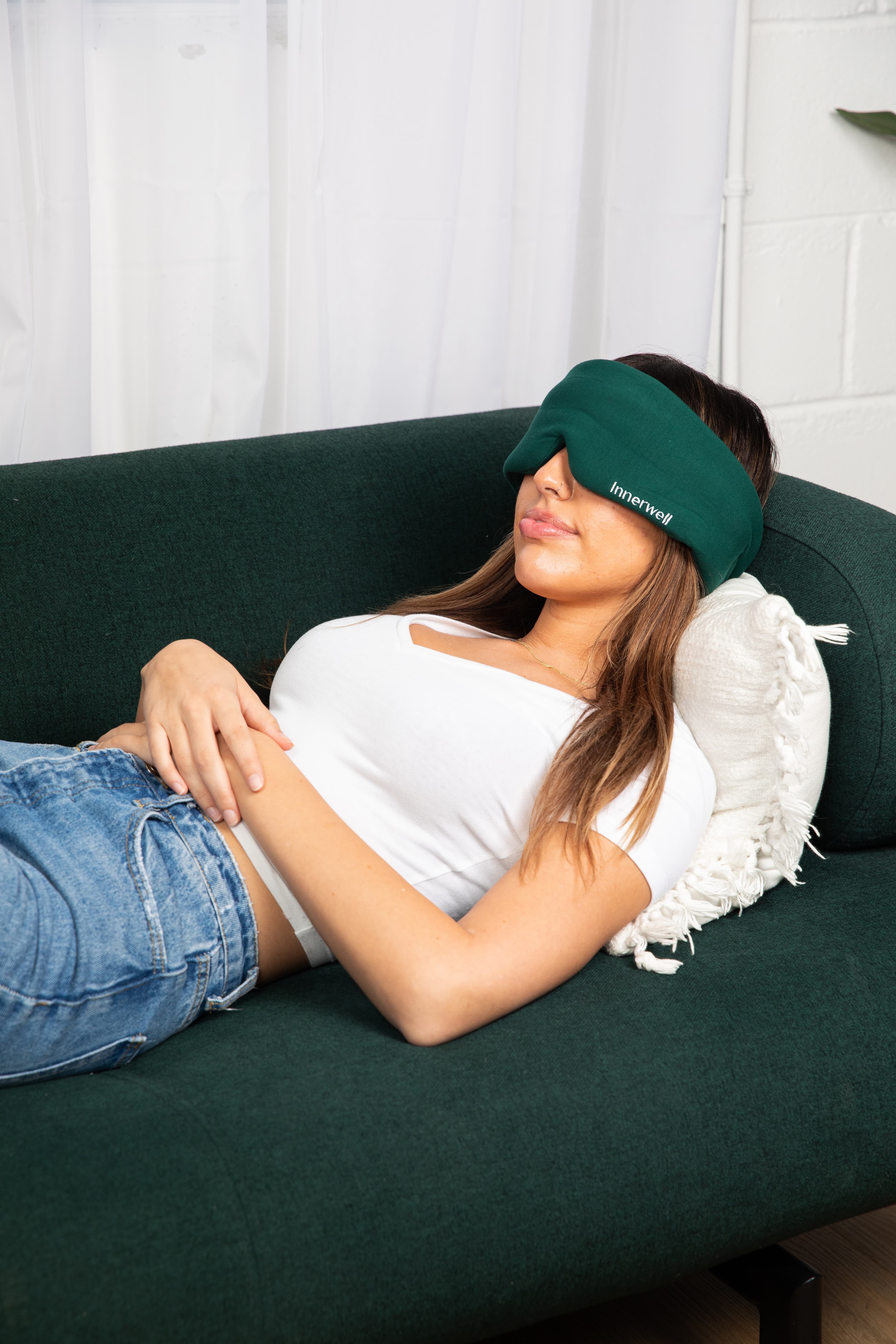
87% of Innerwell patients report improvement within 4 weeks
At-home treatment — no clinic visits
1/4th of the price compared to offline clinics
Led by licensed psychiatrists and therapists specialized in therapy
Insurance accepted in selected states

Jul 28, 2026
Do Ketamine Lozenges Work for Pain?
Innerwell Team

Jul 27, 2026
Ketamine vs ECT: Choosing a Therapy for Resistant Depression
Innerwell Team

Jul 27, 2026
Spravato vs SSRIs: Finding Relief When Antidepressants Fail
Innerwell Team

Jul 27, 2026
Esketamine vs TMS for Treatment-Resistant Depression
Innerwell Team

Jul 27, 2026
Ketamine Therapy for Traumatic Brain Injury: Complete Guide
Innerwell Team

Jul 25, 2026
What Modern Pain Management Looks Like Today
Innerwell Team

Jul 25, 2026
Why your doctor referred you to pain management
Innerwell Team

Jul 25, 2026
Is Ketamine Therapy Legal in New Mexico?
Innerwell Team

Jul 25, 2026
Is Ketamine Therapy Legal in Ohio?
Innerwell Team

Jul 25, 2026
Ketamine vs benzodiazepines for depression and anxiety
Innerwell Team

Jul 10, 2026
How Pain Processing Turns Signals Into Pain
Innerwell Team

Jul 10, 2026
What to Expect From Pain Management After a Car Accident
Innerwell Team

Jul 10, 2026
Is Ketamine Therapy Legal in Georgia?
Innerwell Team

Jul 10, 2026
9 Effective Alternatives to Spravato for Depression
Innerwell Team

Jul 10, 2026
How To Manage Pain With Ehlers-Danlos Syndrome (EDS)
Innerwell Team

Jul 10, 2026
Is Ketamine Therapy Legal in Florida?
Innerwell Team

Jul 9, 2026
Sublingual vs Nasal Ketamine: Which Route Works Best?
Innerwell Team

Jul 9, 2026
Is Ketamine Therapy Legal in Maine?
Innerwell Team

Jul 8, 2026
Ketamine IV vs Nasal: Which Is Right for You?
Innerwell Team

Jul 8, 2026
What Do Pain Management Doctors Actually Do?
Innerwell Team

Jul 5, 2026
Spravato vs Ketamine Infusion: How They Compare
Innerwell Team

Jul 5, 2026
Is Ketamine Therapy Legal in Missouri?
Innerwell Team

Jul 5, 2026
Is Ketamine Therapy Legal in Pennsylvania?
Innerwell Team

Jul 4, 2026
Ketamine for Nerve Pain (Neuropathic Pain) and What the Research Shows
Innerwell Team

Jul 4, 2026
Better U vs Innerwell for At-Home Ketamine Therapy
Innerwell Team

Jul 4, 2026
How to Choose the Best Online Ketamine Therapy Provider
Innerwell Team

Jul 4, 2026
Can You Manage Chronic Pain From Home?
Innerwell Team

Jul 3, 2026
Mindbloom vs Innerwell Compared
Innerwell Team

Jun 25, 2026
How to Advocate for Yourself in Pain Management Appointments
Innerwell Team

Jun 24, 2026
Ketamine Therapy for Depression in Older Adults: Complete Guide
Innerwell Team

Jun 21, 2026
Emotional Detachment in Relationships and How to Reconnect
Innerwell Team

Jun 20, 2026
What Is Pain Management? Types and Treatments Explained
Innerwell Team

Jun 20, 2026
Ketamine Therapy for Pain Management: Complete Guide
Innerwell Team

Jun 20, 2026
How to Tell Somatic Pain From Visceral Pain
Innerwell Team

Jun 20, 2026
Can Ketamine Therapy Help With Nerve Pain?
Innerwell Team

Jun 20, 2026
Nociceptive vs Neuropathic Pain Explained
Innerwell Team

Jun 20, 2026
What's the Difference Between Acute and Chronic Pain?
Innerwell Team

Jun 20, 2026
Ketamine vs Opioids for Pain Management
Innerwell Team

Jun 20, 2026
Is Ketamine Therapy Legal in Utah?
Innerwell Team

Jun 20, 2026
Is Ketamine Therapy Legal in Indiana?
Innerwell Team

Jun 19, 2026
How Long Does Ketamine Pain Relief Last?
Innerwell Team

Jun 13, 2026
Ketamine Therapy for Narcissism: Complete Guide
Innerwell Team

Jun 13, 2026
Is Ketamine Therapy Legal in New York?
Innerwell Team

Jun 13, 2026
Is Ketamine Therapy Legal in California?
Innerwell Team

Jun 12, 2026
Alternatives to Zoloft: Medications, Natural, and Emerging Options
Innerwell Team

Jun 12, 2026
Alternatives to Esketamine: Complete Guide
Innerwell Team

Jun 12, 2026
Ketamine vs SSRIs: Which Works Faster for Anxiety?
Innerwell Team

Jun 12, 2026
Does Medicaid Cover Ketamine Therapy?
Innerwell Team

Jun 12, 2026
Is Ketamine Therapy Legal in Wisconsin?
Innerwell Team

May 29, 2026
Is Ketamine Therapy Legal in Texas?
Innerwell Team

May 29, 2026
Ketamine Therapy for ALS: Complete Guide
Innerwell Team

May 29, 2026
What Happens at Your First Pain Management Appointment?
Innerwell Team

May 28, 2026
What Not to Say to Your Pain Management Doctor
Innerwell Team

May 16, 2026
10 Gabapentin Alternatives for Anxiety
Innerwell Team

May 15, 2026
8 Best Xanax Alternatives for Anxiety Treatment
Innerwell Team

May 7, 2026
Overcoming the Fear of Disappointing Others
Innerwell Team

May 6, 2026
Ketamine vs Zoloft: Which Offers Faster Relief?
Innerwell Team

May 6, 2026
Why Do I Feel Restless? Causes and How to Calm It
Innerwell Team

May 6, 2026
Ketamine vs Prozac: Which Works Faster for Depression?
Innerwell Team

May 6, 2026
Ketamine vs Lexapro: Which Works Faster for Depression?
Innerwell Team

Apr 23, 2026
Ketamine Maintenance Schedule: What to Expect
Innerwell Team

Apr 23, 2026
Finding the Right Online Psychiatrist for Anxiety

Apr 23, 2026
Which Gender Is More Likely to Develop Alcohol Use Disorder?
Innerwell Team

Apr 23, 2026
What Is Alcohol Use Disorder and What Causes It
Innerwell Team

Apr 17, 2026
Online Psychiatrist Help for Insomnia Without Depression
Innerwell Team

Apr 17, 2026
Ketamine Therapy for Couples: Complete Guide

Apr 17, 2026
Why Do I Feel Guilty All the Time?
Innerwell Team

Apr 17, 2026
How to Talk to Someone About Their Drinking
Innerwell Team

Apr 17, 2026
Anxiety Brain Fog: Symptoms, Causes, and Relief
Innerwell Team

Apr 17, 2026
Medication Management vs Therapy: Making the Right Choice
Innerwell Team

Apr 8, 2026
Why Anxiety Causes Chest Tightness and How to Stop It
Innerwell Team

Apr 8, 2026
How to Choose an Online Psychiatrist for Bipolar Disorder
Innerwell Team

Apr 8, 2026
What Is Treatment-Resistant Depression?
Innerwell Team

Apr 7, 2026
What Is Telepsychiatry and How Does It Work
Innerwell Team

Apr 7, 2026
Why Ketamine Integration Matters in Psychedelic Therapy
Innerwell Team

Apr 7, 2026
Depression, Neuroplasticity, and Why Your Brain Can Still Change
Innerwell Team

Apr 7, 2026
Fear of Being Seen
Innerwell Team

Apr 7, 2026
Fear of Abandonment: Causes, Signs And Healing
Innerwell Team

Apr 7, 2026
Mental Health Statistics 2026: Trends and Insights
Innerwell Team

Apr 7, 2026
Ketamine Therapy for Veterans
Innerwell Team

Apr 7, 2026
Is Telepsychiatry Effective? Research Insights
Innerwell Team

Apr 7, 2026
How Often Do You See a Psychiatrist?
Innerwell Team

Apr 6, 2026
Does BCBS Cover Ketamine Therapy?
Innerwell Team

Apr 6, 2026
Fear of Being Alone: Why It Happens and How to Move Past It
Innerwell Team

Mar 25, 2026
What Is Medication Management? What It Means for Your Mental Health
Innerwell Team

Mar 24, 2026
How to Calm Racing Thoughts Fast
Innerwell Team

Mar 24, 2026
Ketamine Infusion vs Oral Ketamine for Depression
Innerwell Team

Mar 24, 2026
15 Emotional Regulation Exercises for Adults That Actually Work
Innerwell Team

Mar 24, 2026
Do You Qualify for Ketamine Therapy?
Innerwell Team

Mar 20, 2026
8 Signs You Have Anxious Attachment
Innerwell Team

Mar 20, 2026
When to See a Psychiatrist
Innerwell Team

Mar 20, 2026
How Ketamine Therapy Is Administered Safely
Innerwell Team

Mar 20, 2026
Psychiatrist vs Therapist Differences Explained
Innerwell Team

Mar 19, 2026
Telehealth Ketamine Treatment: Benefits & Safety
Innerwell Team

Mar 4, 2026
Online Ketamine Therapy: How It Works, What It Costs, and How to Start
Innerwell Team

Mar 4, 2026
How to Get Ketamine Therapy Covered by Insurance
Innerwell Team

Mar 4, 2026
How to Stop Intrusive Thoughts (Without Making Them Worse)
Innerwell Team

Mar 4, 2026
Is Ketamine Therapy Covered By Insurance? State-by-State Guide
Innerwell Team

Mar 4, 2026
What Online Psychiatry Actually Looks Like
Innerwell Team

Mar 4, 2026
Spravato vs Ketamine Infusion: Which Is Right for You?
Innerwell Team

Mar 4, 2026
Fear of Confrontation and How to Overcome It
Innerwell Team

Mar 4, 2026
How to Find the Best Online Ketamine Treatment
Innerwell Team

Mar 3, 2026
What Does a Psychiatrist Do?
Innerwell Team

Mar 3, 2026
Psychiatrist vs. Psychologist: Key Differences Explained
Innerwell Team

Feb 25, 2026
Why Do I Overthink Everything? Causes & Strategies
Innerwell Team

Feb 25, 2026
Fear of Closeness: Signs, Causes & Healing Steps
Innerwell Team

Feb 25, 2026
Ketamine vs Traditional Antidepressants: Key Differences
Innerwell Team

Feb 25, 2026
Ketamine vs Psychedelics: Treatment Comparison Guide
Innerwell Team

Feb 18, 2026
Why Do I Feel Empty? Causes & Ways to Feel Whole
Innerwell Team

Feb 18, 2026
Ketamine vs MDMA Therapy: Which Psychedelic Treatment Fits You?
Innerwell Team

Feb 17, 2026
Panic Attack vs Anxiety Attack
Innerwell Team

Feb 9, 2026
Ketamine vs Xanax: Which Works Best for Anxiety?
Innerwell Team

Feb 8, 2026
Ketamine vs SSRIs for Depression
Innerwell Team

Feb 8, 2026
Emotional Safety in Relationships: Signs, Examples, and How to Build It
Innerwell Team

Feb 2, 2026
Ketamine 101: A Complete Guide to Ketamine Therapy
Innerwell Team

Feb 2, 2026
Auvelity vs Ketamine for Depression: Speed, Cost, and Safety Compared
Innerwell Team

Feb 1, 2026
Ketamine Therapy for Intrusive Thoughts: Complete Guide
Innerwell Team

Feb 1, 2026
Ketamine vs. Psilocybin: Which Psychedelic Therapy Fits You?
Innerwell Team

Jan 24, 2026
Ketamine Therapy Myths and Facts: What You Should Know
Innerwell Team

Jan 24, 2026
Is Ketamine Therapy Safe? Common Concerns Answered
Innerwell Team

Jan 23, 2026
Ketamine Therapy for Aggression: Complete Guide
Innerwell Team

Jan 15, 2026
Ketamine Therapy for Schizophrenia: What You Need to Know
Innerwell Team

Jan 14, 2026
Ketamine Therapy Disqualifiers: Eligibility Guide
Innerwell Team

Jan 14, 2026
Top Lexapro Alternatives: Medications, Therapy, and What Actually Works
Innerwell Team

Jan 14, 2026
Prozac Alternatives: Medications, Natural Options & More
Innerwell Team

Jan 14, 2026
Spravato vs Ketamine: Choosing the Best Depression Relief
Innerwell Team

Jan 6, 2026
Ketamine Therapy for Paranoia: What You Need to Know
Innerwell Team

Jan 5, 2026
Ketamine Therapy for Insomnia: Complete Guide
Innerwell Team

Jan 5, 2026
Ketamine Therapy Dosage Guide
Innerwell Team

Jan 5, 2026
How Ketamine Affects the Brain: Understanding the Science
Innerwell Team

Jan 5, 2026
Ketamine Therapy for Grief: Science, Safety & Hope
Innerwell Team

Jan 3, 2026
Ketamine Therapy for OCD: Complete Guide
Innerwell Team

Jan 3, 2026
12 Evidence-Based SSRI Alternatives for Depression Relief
Innerwell Team

Dec 17, 2025
Ketamine Therapy for Postpartum Depression: Complete Guide
Innerwell Team

Dec 17, 2025
Ketamine Therapy for Panic Disorder: What You Need to Know
Innerwell Team

Dec 17, 2025
Ketamine Therapy Effects: Benefits, Risks & What to Expect
Innerwell Team

Dec 17, 2025
S-Ketamine vs R-Ketamine: Comparing Effects & Uses
Innerwell Team

Dec 9, 2025
Ketamine vs Esketamine: Key Differences Explained
Innerwell Team

Dec 9, 2025
Racemic Ketamine: How It Works and When It's Used
Innerwell Team

Dec 9, 2025
Ketamine Therapy for Psychosis: What You Need to Know
Innerwell Team

Dec 8, 2025
Driving After Ketamine Therapy: How To Stay Safe
Innerwell Team

Dec 8, 2025
Ketamine Therapy for Alzheimer's: Complete Guide
Innerwell Team

Dec 8, 2025
How Does Spravato Work? Nasal Esketamine Explained
Innerwell Team

Nov 27, 2025
Ketamine Therapy for Alcoholism: Complete Guide
Innerwell Team

Nov 27, 2025
What to Think About During Ketamine Therapy: A Practical Guide
Innerwell Team

Nov 27, 2025
Ketamine Therapy for Marriage: Complete Guide
Innerwell Team

Nov 26, 2025
Ketamine Therapy for Cancer Patients: Complete Guide
Innerwell Team

Nov 26, 2025
Ketamine Therapy for Opioid Addiction: Complete Guide
Innerwell Team

Nov 26, 2025
How Much Does Ketamine Therapy Cost? 2025 Price Guide
Innerwell Team

Nov 17, 2025
Does Ketamine Therapy Get You High? Effects Explained
Innerwell Team

Nov 17, 2025
Ketamine Therapy for BPD: Complete Guide
Innerwell Team

Nov 17, 2025
What Does Ketamine Therapy Feel Like?
Innerwell Team

Nov 17, 2025
Ketamine Therapy for Dementia: Complete Guide
Innerwell Team

Nov 10, 2025
At Home Ketamine vs. Infusion Therapy: Key Differences Explained
Innerwell Team

Nov 10, 2025
8 Key Benefits of Ketamine Therapy for Mental Health
Innerwell Team

Oct 31, 2025
Ketamine Therapy for PTSD: Complete Guide
Innerwell Team

Oct 31, 2025
Is Ketamine Treatment Permanent?
Innerwell Team

Oct 31, 2025
Is Ketamine A Paralytic? Common Misconceptions Explained
Innerwell Team

Oct 31, 2025
Ketamine Laws by State: 2026 Guide
Innerwell Team

Oct 31, 2025
Ketamine Therapy: What to Expect Before, During & After
Innerwell Team

Oct 28, 2025
Is Ketamine Therapy Right for Me? 7 Questions To Ask Yourself
Innerwell Team

Oct 28, 2025
How Does Your Body Metabolize Ketamine? A Complete Guide
Innerwell Team

Oct 27, 2025
Rethinking ADHD: A Multimodal Path to Focus & Balance
Innerwell Team

Oct 27, 2025
Preventing Trauma Before It Starts: The Future of Resilience-Based Mental Health
Innerwell Team

Oct 27, 2025
The Invisible Trauma: How Neglect Shapes the Brain — and How We Heal
Innerwell Team

Oct 27, 2025
Dependent Personality Patterns: When Self-Doubt Controls Your Choices
Innerwell Team

Oct 27, 2025
Ketamine, EMDR & Somatic Therapy: A New Path for Anxiety Relief
Innerwell Team

Oct 27, 2025
Atypical Depression: Recognizing Hidden Symptoms and Rethinking Treatment
Innerwell Team

Oct 27, 2025
Preventing Trauma Before It Starts: The Future of Resilience-Based Mental Health
Innerwell Team

Sep 4, 2025
The Silent Third in Every Relationship: Your Mental Health
Innerwell Team
Aug 25, 2025
Healing Attachment Issues: Steps to a More Secure, Resilient You
Innerwell Team

Aug 15, 2025
Psychedelic Therapy: Transforming Anxiety into Freedom
Innerwell Team

Aug 15, 2025
Healing Trauma with Ketamine Therapy for Trauma
Innerwell Team

Aug 15, 2025
How EMDR Therapy Can Unlock Restful Sleep and Conquer Insomnia
Innerwell Team

Aug 15, 2025
Online Therapy for Veterans: Supporting Those Who Served
Innerwell Team

Aug 11, 2025
What Is Emotional Safety and How Emotional Boundaries Protect Your Well-Being
Innerwell Team
Aug 11, 2025
Oral Ketamine for Depression and How It’s Changing Mental Health Treatment
Innerwell Team

Aug 1, 2025
Why Summer Can Worsen Body Image—and What You Can Do About It
Innerwell Team

Aug 1, 2025
Before You Fix the Relationship, Heal the Individual
Innerwell Team

Aug 1, 2025
Is Online Therapy as Effective as In-Person? Here’s What You Need to Know
Innerwell Team

Jul 30, 2025
Bridging the Divide: Managing Anxiety in an Era of Political Polarization
Innerwell Team

Jul 30, 2025
We Weren’t Meant to Live Like This: Modern Life and the Rise of Emotional Exhaustion
Innerwell Team

Jul 30, 2025
Emotional Regulation Is a Skill—Not a Personality Trait
Innerwell Team

Jul 30, 2025
Is Emotional Fluency the New Intelligence?
Innerwell Team

Jul 30, 2025
The Loneliness You Can’t See: High-Functioning Anxiety in a Social World
Innerwell Team

Jul 30, 2025
Why Joy Can Feel Scary: Learning to Hold the Good Without the Crash
Innerwell Team

Jul 23, 2025
Can You Get Seasonal Depression in the Summer? Understanding the Summer Blues
Innerwell Team

Jul 23, 2025
Couples Therapy vs Individual Therapy: Which Is Best for You?
Innerwell Team

Jul 16, 2025
Can Stress and Anxiety Cause Body Aches? Here’s What You Need to Know
Innerwell Team
Jul 16, 2025
The Hidden Impact of Chronic Pain on Emotional Well-Being
Innerwell Team

Jul 11, 2025
Mental Health Stigma Is Still Holding People Back—Let’s Talk About It
Innerwell Team

Jul 11, 2025
The Quiet Epidemic: Emotional Numbness
Innerwell Team

Jun 16, 2025
Finding Relief: Online Therapy for Obsessive Compulsive Disorder
Innerwell Team

Jun 16, 2025
Finding Freedom: Online Therapy for Agoraphobia
Innerwell Team

Jun 16, 2025
Ketamine Therapy for Anxiety: A Promising Treatment
Innerwell Team

Jun 16, 2025
Finding Support: Online Therapy for Trauma
Innerwell Team

Jun 16, 2025
Veterans Psychedelic Therapy: Healing Our Heroes
Innerwell Team

Jun 16, 2025
Healing PTSD with Psychedelic Therapy for PTSD
Innerwell Team

Jun 16, 2025
EMDR Therapy for PTSD in Veterans: Healing the Invisible Wounds
Innerwell Team

Jun 16, 2025
Healing Social Anxiety with Ketamine Therapy
Innerwell Team

Jun 16, 2025
Finding Relief: Online Therapy for Anxiety
Innerwell Team
Jun 10, 2025
What is Ketamine Therapy
Innerwell Team

Jun 10, 2025
What Is Psychedelic Integration Therapy
Innerwell Team

Jun 9, 2025
What Is Psychiatric Therapy? Professional Mental Healthcare Support
Innerwell Team

Jun 8, 2025
What Is EMDR Therapy?
Innerwell Team

Jun 6, 2025
The Ultimate Guide to Talk Therapy: What It Is, How It Works & Who It Helps
Innerwell Team

Jun 5, 2025
Summer Mental Health: How to Thrive During the Hottest Months
Innerwell Team

Jun 4, 2025
What Does EMDR Therapy Do: 8 Key Mechanisms
Innerwell Team

Jun 3, 2025
8 Significant Benefits of EMDR Therapy
Innerwell Team

Jun 2, 2025
Student Mental Health: Helping Young Adults Navigate the End-of-School Summer Transition
Innerwell Team

Jun 2, 2025
How Does EMDR Work?
Innerwell Team

May 15, 2025
EMDR Therapy for Depression and Anxiety: Understanding a New Path to Healing
Innerwell Team

May 8, 2025
Healing Grief with EMDR: An Innovative Therapy for Lasting Peace
Innerwell Team

May 6, 2025
Understanding Trauma: A Journey Through the Brain and Beyond
Innerwell Team

May 2, 2025
Ketamine Therapy for Childhood Trauma
Innerwell Team

Apr 30, 2025
Can Psychedelic Therapy Help with Bipolar Disorder
Innerwell Team

Apr 29, 2025
The Science Behind Ketamine Therapy: How It Works, How Fast, and What Research Shows
Innerwell Team

Apr 18, 2025
What PTSD Really Feels Like—And How Healing Begins
Innerwell Team

Apr 16, 2025
Exploring Talk Therapy for Depression
Innerwell Team

Mar 27, 2025
Understanding OCD: How Ketamine Therapy Can Offer Support & Healing
Innerwell Team

Mar 20, 2025
Understanding Ketamine Therapy for Pain Management
Innerwell Team

Mar 13, 2025
Understanding Treatment-Resistant Depression: When the Usual Approaches Don't Stick
Innerwell Team

Mar 7, 2025
Exploring Ketamine Therapy for Chronic Pain: Benefits, Safety, and the Healing Journey
Innerwell Team

Mar 5, 2025
Ketamine Therapy for Depression and Anxiety
Innerwell Team

Feb 28, 2025
Understanding Ketamine Therapy for Couples
Innerwell Team

Feb 7, 2025
Understanding Autism and ADHD: Exploring Psychedelic Therapy for Autism and ADHD
Innerwell Team

Jan 25, 2025
EMDR Therapy for Family Trauma: Understanding and Healing Generational Wounds
Innerwell Team

Jan 23, 2025
Talk Therapy for NPD: Exploring Treatment Paths with Compassion and Clarity
Innerwell Team

Jan 15, 2025
Understanding Abandonment Issues
Innerwell Team

Oct 17, 2024
A Companion for Your Ketamine-Assisted Therapy: The Role of a Peer Treatment Companion
Anthony Mangia

Oct 1, 2024
Clinician Spotlight: Dr. Ben Medrano
Innerwell Team

Aug 27, 2024
Ketamine Integration - The Complete Guide
Anthony Mangia

Aug 26, 2024
Ketamine Integration Exercises: How to Practice Them and Their Benefits
Innerwell Team

Jul 21, 2024
Will Ketamine Show Up On My Drug Test?
Innerwell Team

Jan 3, 2024
What to know if you’re nervous about your first Ketamine experience
Ben Medrano, MD

Jan 2, 2024
How we keep you safe at Innerwell
Ben Medrano, MD

Oct 18, 2023
In Memoriam: Dr. Garrett Deckel
Innerwell Team

Jun 22, 2023
Innerwell Reviews from Real Patients
Innerwell Team

Jun 14, 2023
135 Intention Setting Examples for Ketamine Therapy
Anthony Mangia
Jun 2, 2023
WEBINAR: Online Ketamine Therapy 101 with Dr. Mike Cooper
Anthony Mangia

Apr 12, 2023
A Guide to Intention Setting For Ketamine Treatment
Innerwell Team

Apr 10, 2023
The Benefits of At-Home Ketamine Therapy vs In-Person Clinics
Innerwell Team

Mar 23, 2023
Low-Cost Ketamine Treatment Options and What to Know
Innerwell Team

Jan 16, 2023
How to Prepare for Your Ketamine Experience
Nate Macanian

Jan 10, 2023
How do I interact with my therapist during my ketamine experience?
Nate Macanian
Jan 5, 2023
Dispelling the stigma around psychedelics
Nate Macanian

Jan 2, 2023
Ketamine Therapy for Anxiety: Complete Guide
Innerwell Team

Dec 30, 2022
Post-Session Care: What to Do Once Your Psychedelic Experience Has Ended
Jenn Sinrich

Dec 28, 2022
How to Help Others Journey Safely: A Peer Treatment Companion’s Guide
Innerwell Team

May 25, 2022
Raising The Standard of Care
Innerwell Team
May 19, 2022
Meet Innerwell
Innerwell Team